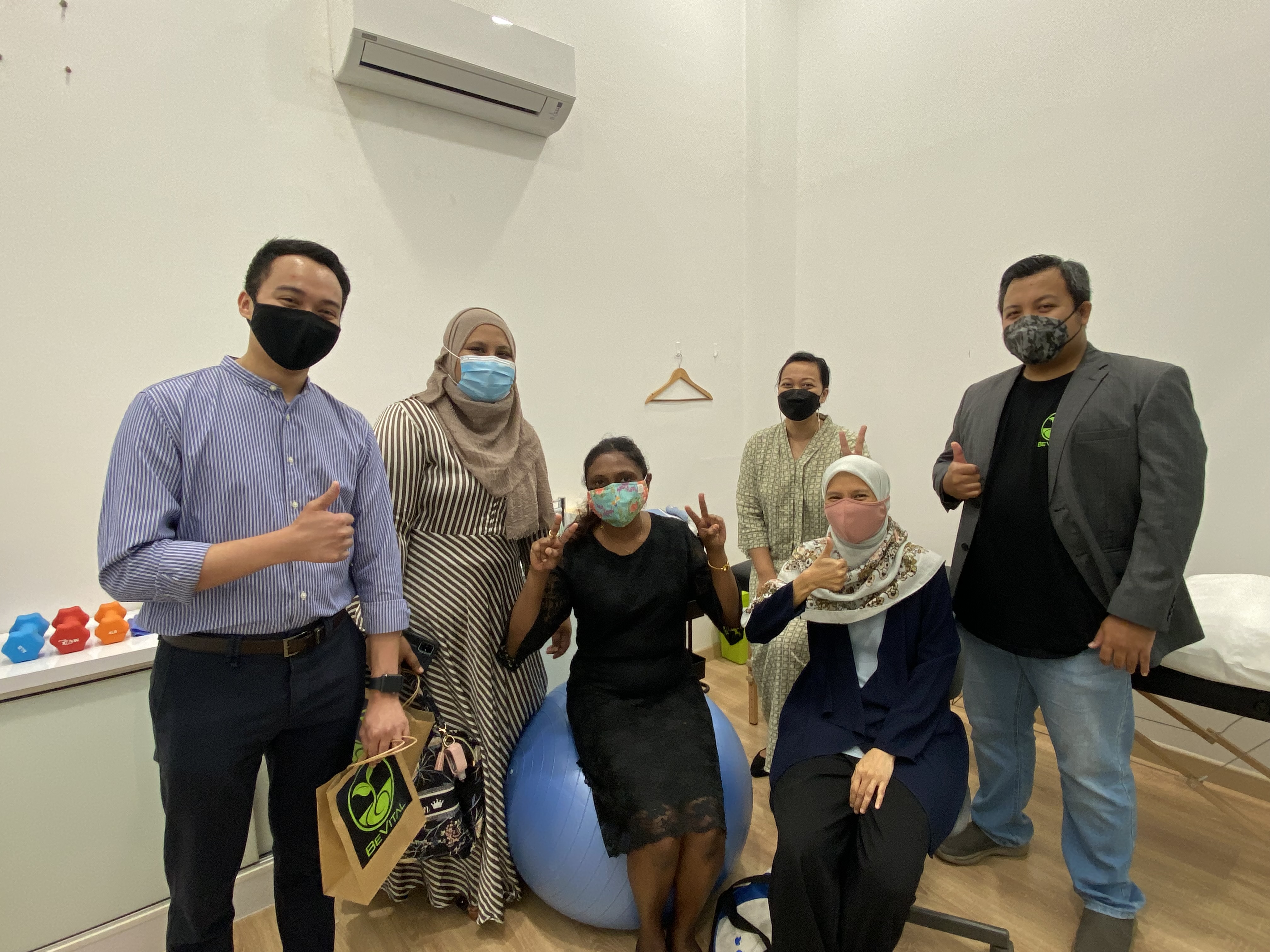
Healing, Work, and Dignity
Refugee-Led Physiotherapy in Malaysia
Refugees and asylum seekers in Malaysia often work in tough, low paid jobs with high risks of injury and almost no access to rehabilitation. When injuries force them out of work, entire families can fall into crisis. Excluded from national health and labour systems, their struggles rarely appear in public debate. In this reality, a two-year CBF project led by Raudah Mohd Yunus and Nur Khaulah Fadzil asked a simple but transformative question: what if refugees could access affordable physiotherapy and have their experiences shape national conversations on health and work?
The team established the BeVital Physiotherapy Centre, linked to an existing refugee clinic, to provide low-cost physiotherapy and rehabilitation. Using a cross-subsidy model, refugee patients paid only RM5 per session while Malaysian clients paid market rates, helping to keep services running and affordable.
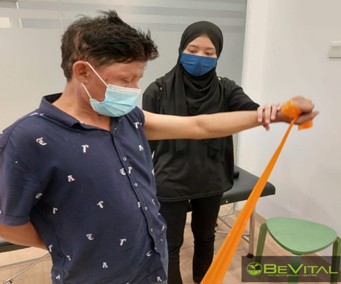
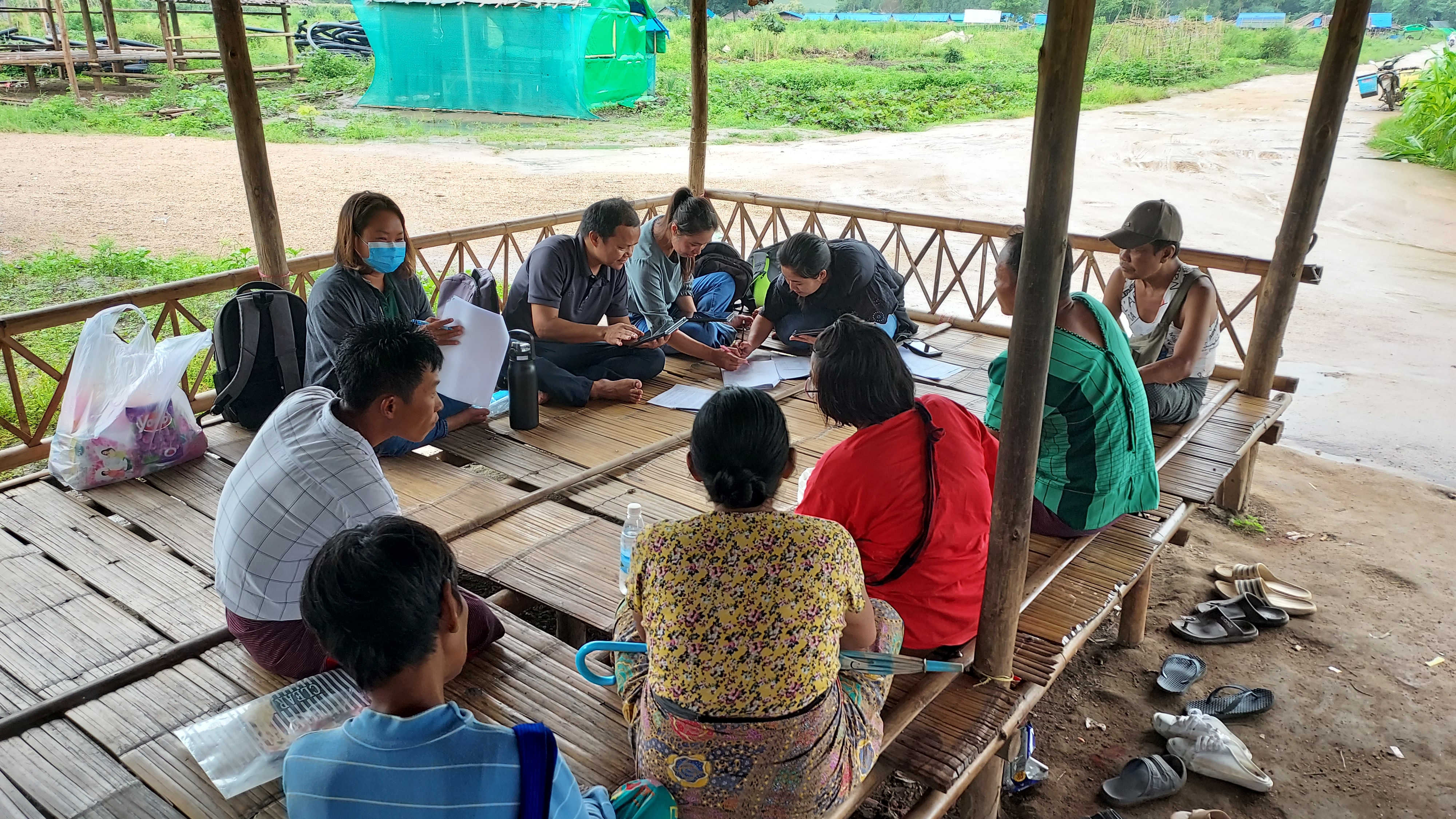
One of the refugees undergoing physiotherapy
Collaboration defined the project. Refugee-led organisations, NGOs and private partners worked together, including the Rohingya Women Development Network and social enterprise Earth Heir, which created livelihood opportunities for refugee women alongside health services. Zakat bodies, media groups and local authorities participated through forums and advocacy events, connecting clinical care to public awareness and policy dialogue. Media engagement under the “Fisioterapi Rahmah” banner framed refugee physiotherapy as part of a broader national effort to support low-income communities.
BeVital provided 1,271 physiotherapy sessions to more than 180 refugee clients, preventing or improving 121 disability cases. Many patients returned to work within weeks instead of months, restoring household income and easing financial stress. Beyond clinical outcomes, media forums and public advocacy reached thousands online, drawing journalists, civil society and religious actors into conversations on refugee health that previously had little visibility.
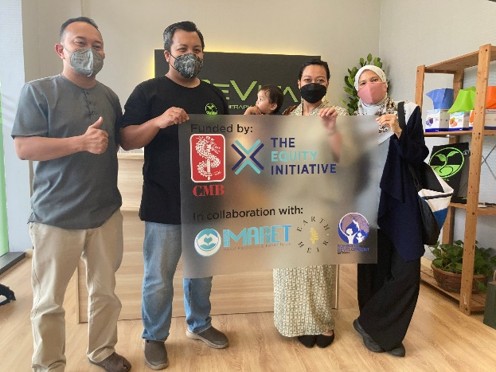
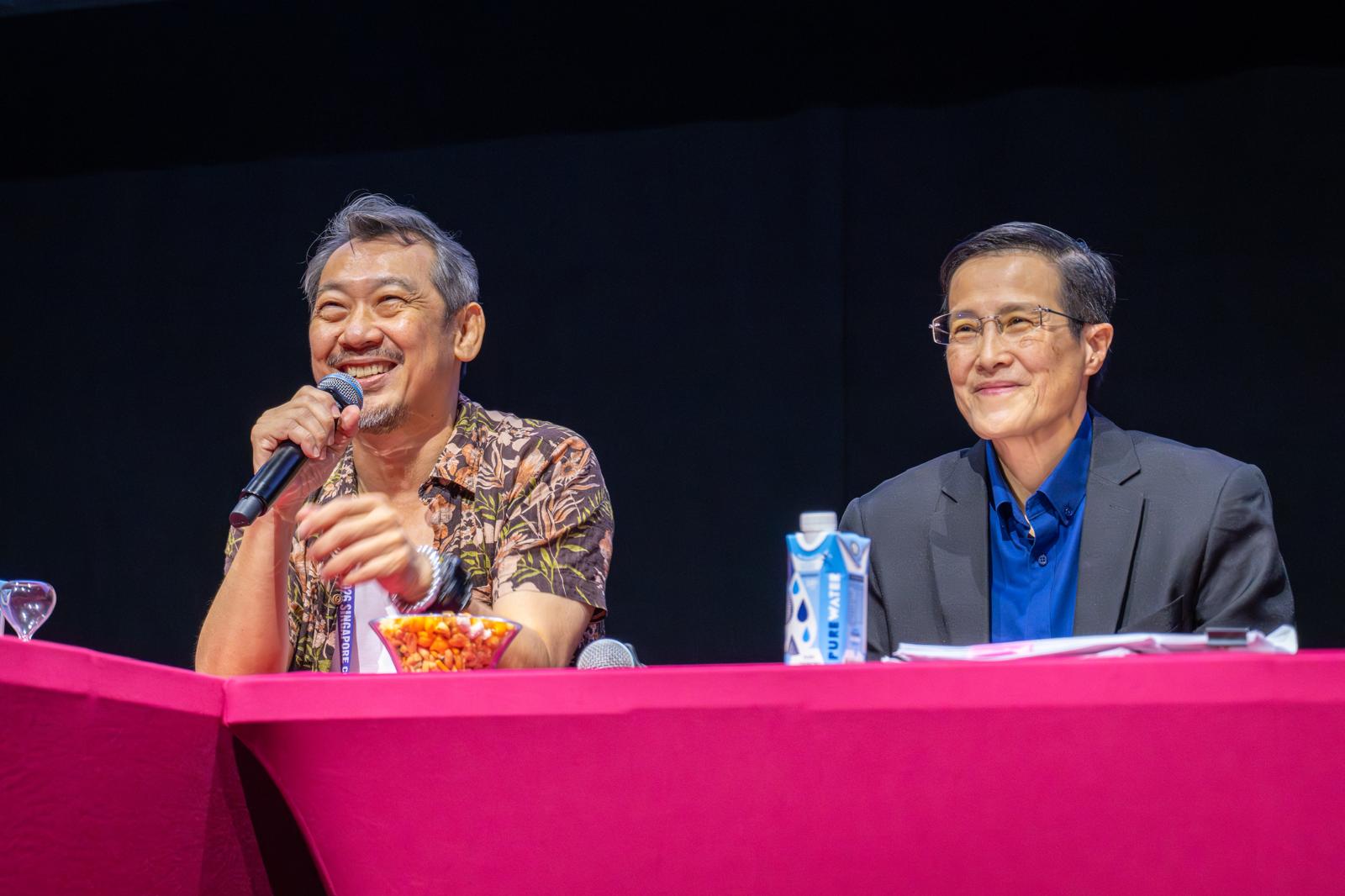
At the right is Raudah Mohd Yunus (2019, Malaysia), to her left is Nur Khaulah Fadzil (2018, Malaysia)
The team learned that linking health, employment and advocacy create mutually reinforcing impacts: recovery from injury is not only about pain relief but about restoring dignity and livelihood. They also confronted the limits of passion without business skills, realising that sustaining a physiotherapy centre requires financial planning, marketing and long-term funding strategies. Political shifts, COVID 19 and funding gaps forced constant adaptation, but also taught that even time bound projects can leave a legacy of restored function, new skills and a stronger case for placing refugee health on the national agenda.
This story is part of the Equity Initiative’s 10-year anniversary, celebrating a decade of leadership, collaboration, and impact across Southeast Asia and China.
Related News