Women Leading The Way
Navigating PhilHealth from the Ground Up
In Malabon City, many poor women and informal workers were still paying out of pocket or skipping care altogether, despite being entitled to national health insurance through PhilHealth.
Confusing rules, stigma around teen pregnancy and contraception, and weak coordination between the local government, PhilHealth, and communities meant that health care coverage meant to be "universal" was not reaching those who needed it most.
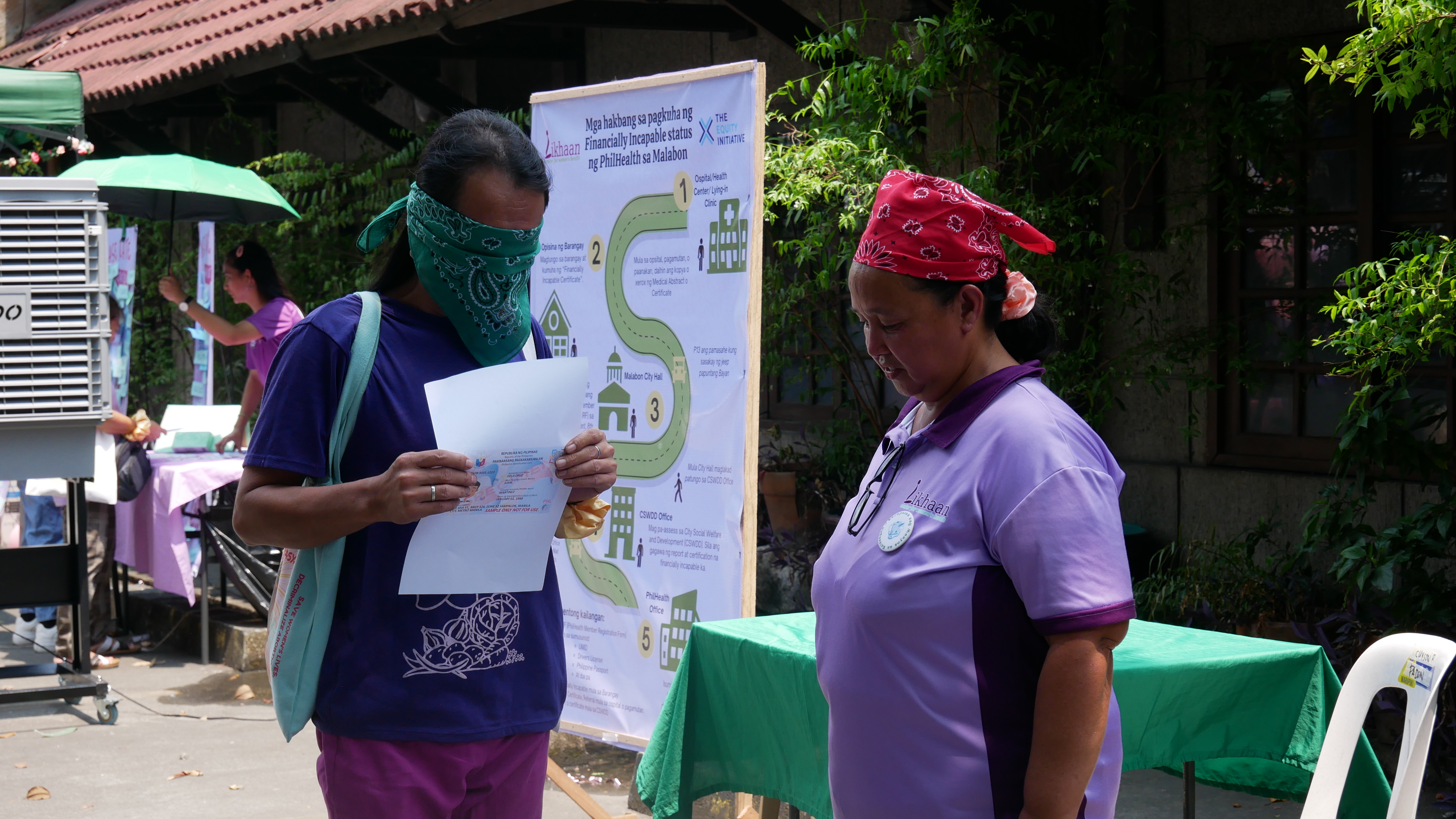
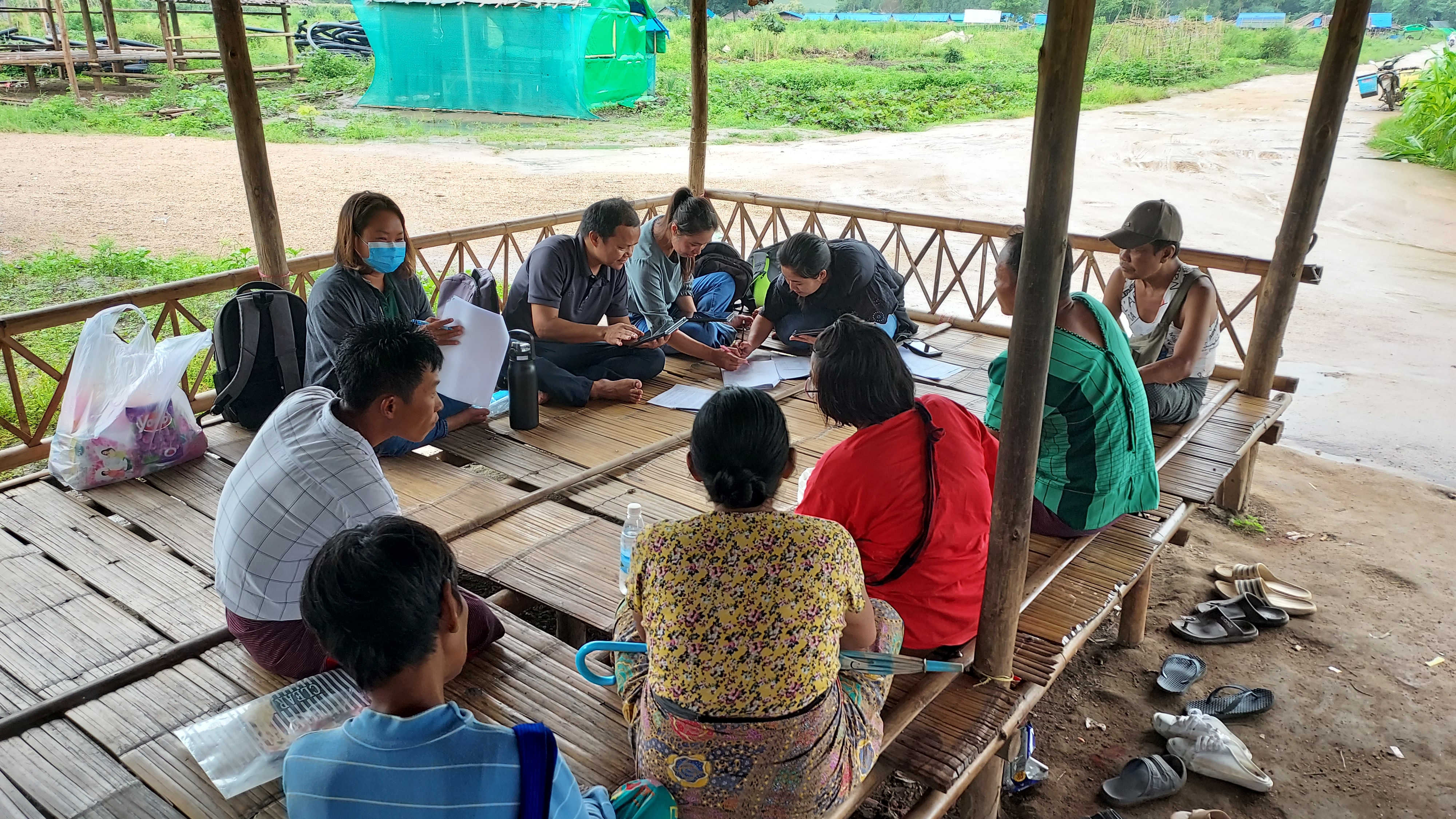
Likhaan Community Organizer assisting a participant for availment of PhilHealth benefits
Together with the Likhaan Center for Women's Health, EI Fellow Ana P. Santos (2018, Philippines) developed a community project that would bridge communities to PhilHealth services through connected initiatives that included community mobilization, engagement with PhilHealth, information cascades that revolved around games as well as comics that used storytelling to illustrate the benefits of universal health care.
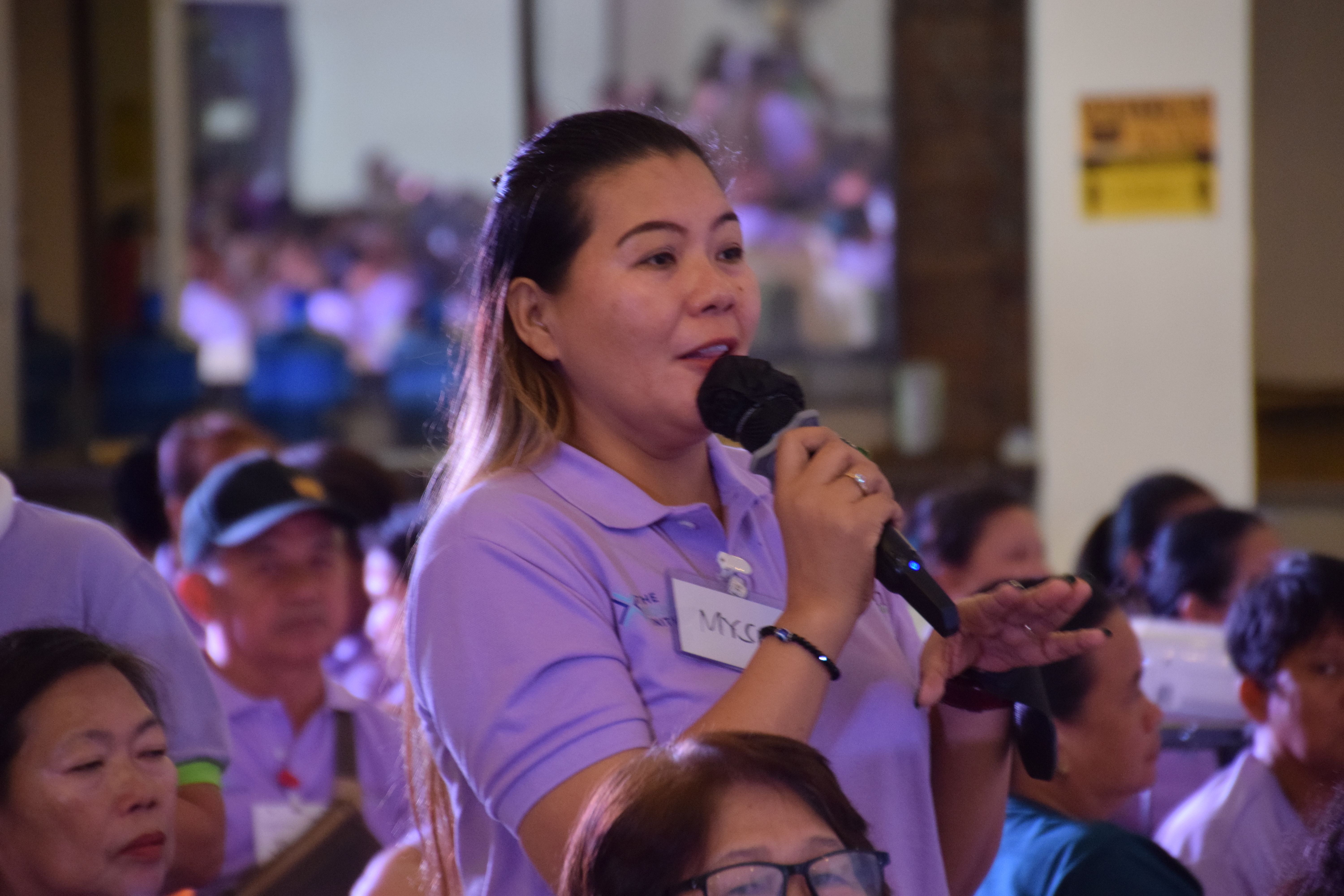
The project trained community members, 95% of whom were women, as PhilHealth Navigators to guide neighbors through enrollment and claims, ran 653 education sessions and distributed thousands of comics and guides in local language.
The team ran 653 education and discussion sessions on social health insurance and the Universal Health Care Act, reaching mostly women, and co-created comics, games, pathway guides and social media content using local language and real-life situations.
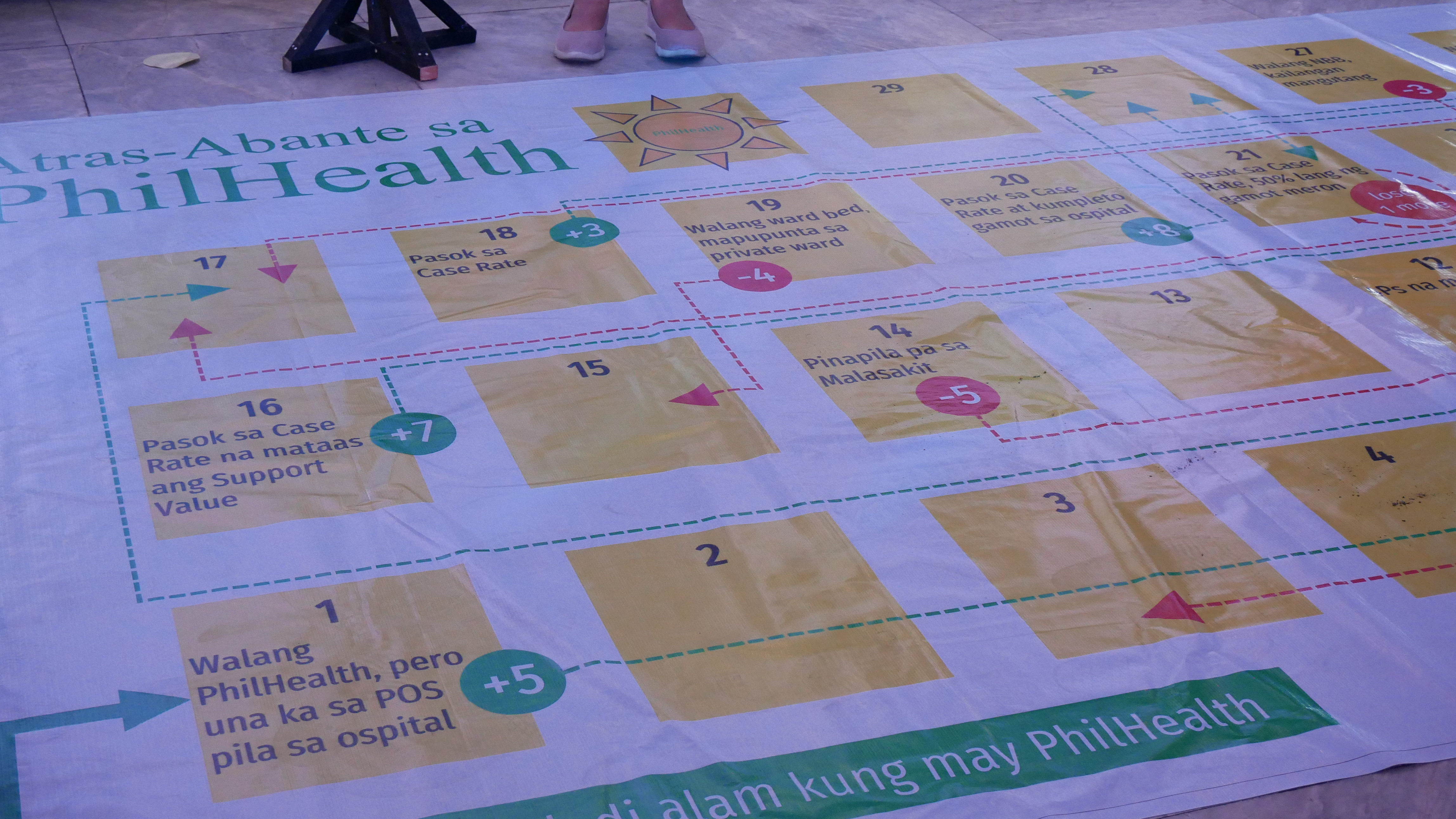
Tarpaulin of Ladder Game on the Floor
They produced and distributed 2,500 “Couple Goals” comics and 408 “Pathway” IEC materials explaining step by step how low-income households can secure PhilHealth coverage and launched them at a town hall attended by about 210 community members. A second batch of PhilHealth Navigators (23 women and 1 man) was also trained.
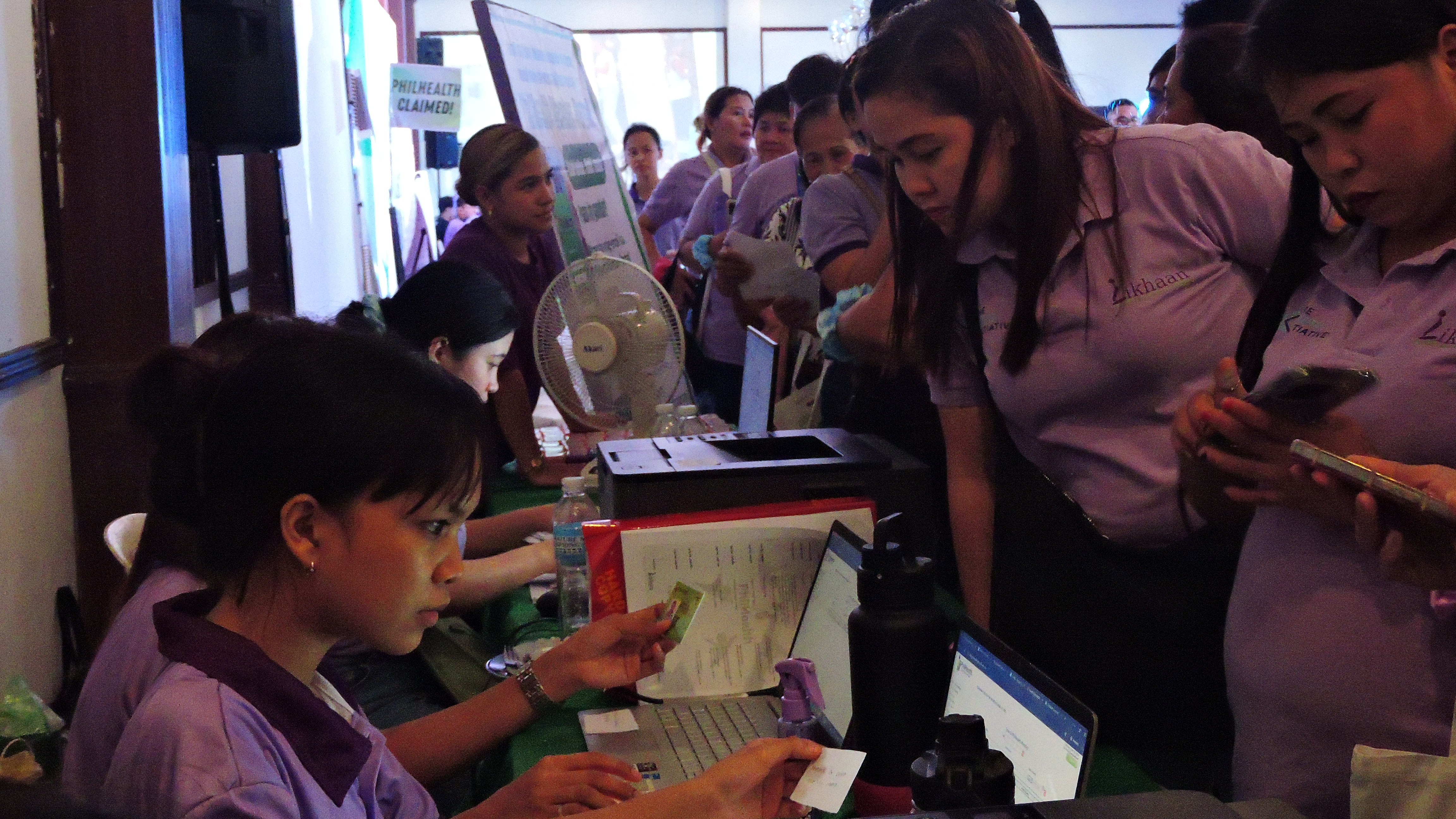
New Staff Checking Names on PhilHealth Cloud
The project showed that community-based education and organizing not only builds trust for but also increases and enrollment of health care services. Women leaders became trusted local navigators, helping neighbours enroll, renew and actually use PhilHealth while reducing shame around contraception and teen pregnancy. Youth and parents engaged actively with the creative tools, which are now being explored for replication by government agencies and NGOs.
Ana and the team learned that trust and direct dialogue are as important as policy: people engaged when information came from familiar faces, and when PhilHealth and Local Government Units officials were willing to show up, listen and commit to concrete changes
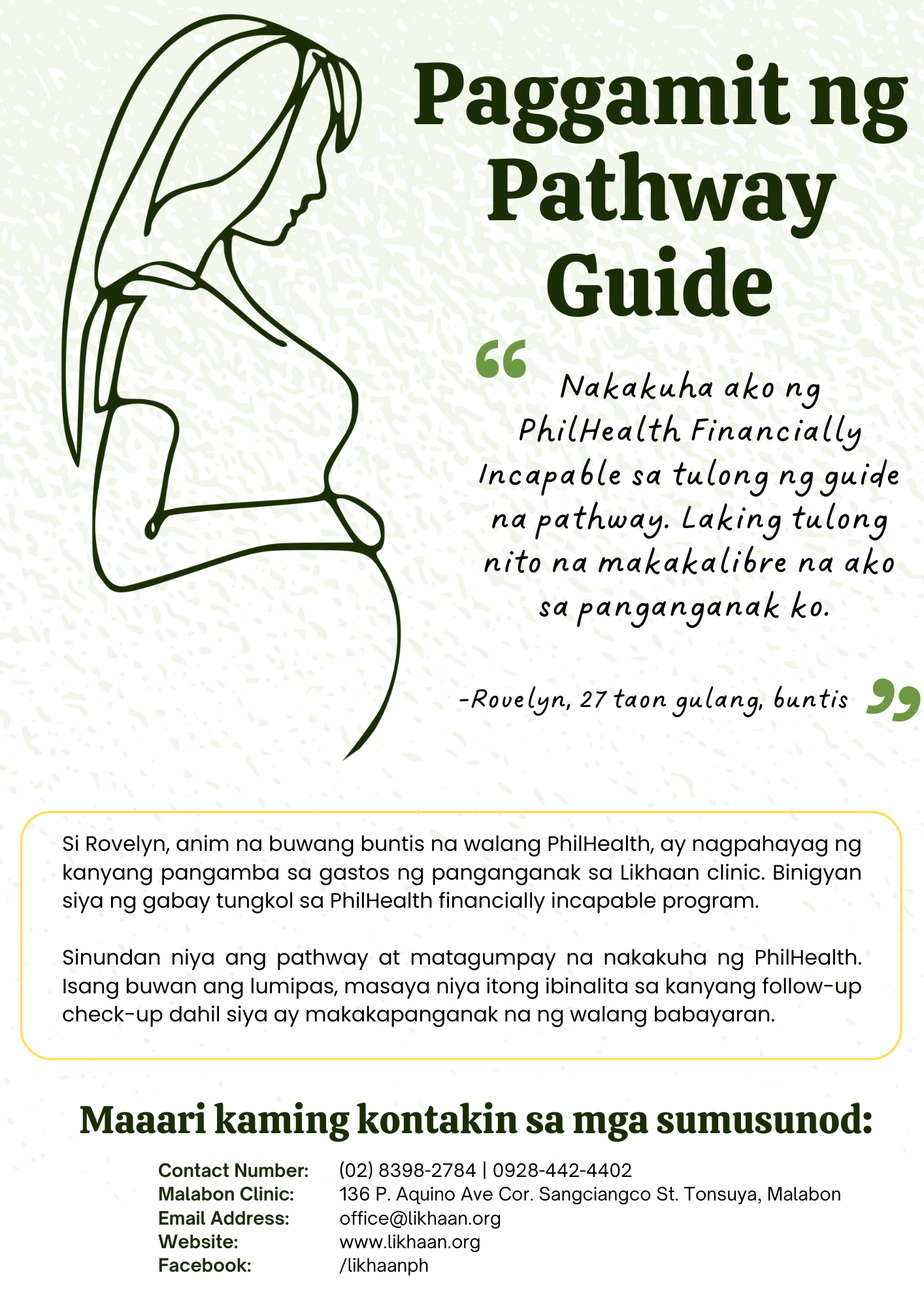
Poster of Pathway to Enrollment
This story is part of the Equity Initiative’s 10-year anniversary, celebrating a decade of leadership, collaboration, and impact across Southeast Asia and China.
Related News