Simple Tools, Big Change
Safer Pregnancies in Rural Nusa Tenggara Timur, Indonesia
In Kupang district, East Nusa Tenggara, maternal and infant deaths remain stubbornly high. Rural midwives are stretched thin with administrative work, leaving many pregnant women without regular monitoring, timely information or support, especially in remote villages and outer islands. As a rural physician and EI Fellow, Yustina 'Nita' Yudha (2023) saw that the problem was not only the shortage of specialists, but also the untapped potential of community health cadres already trusted by their neighbours.
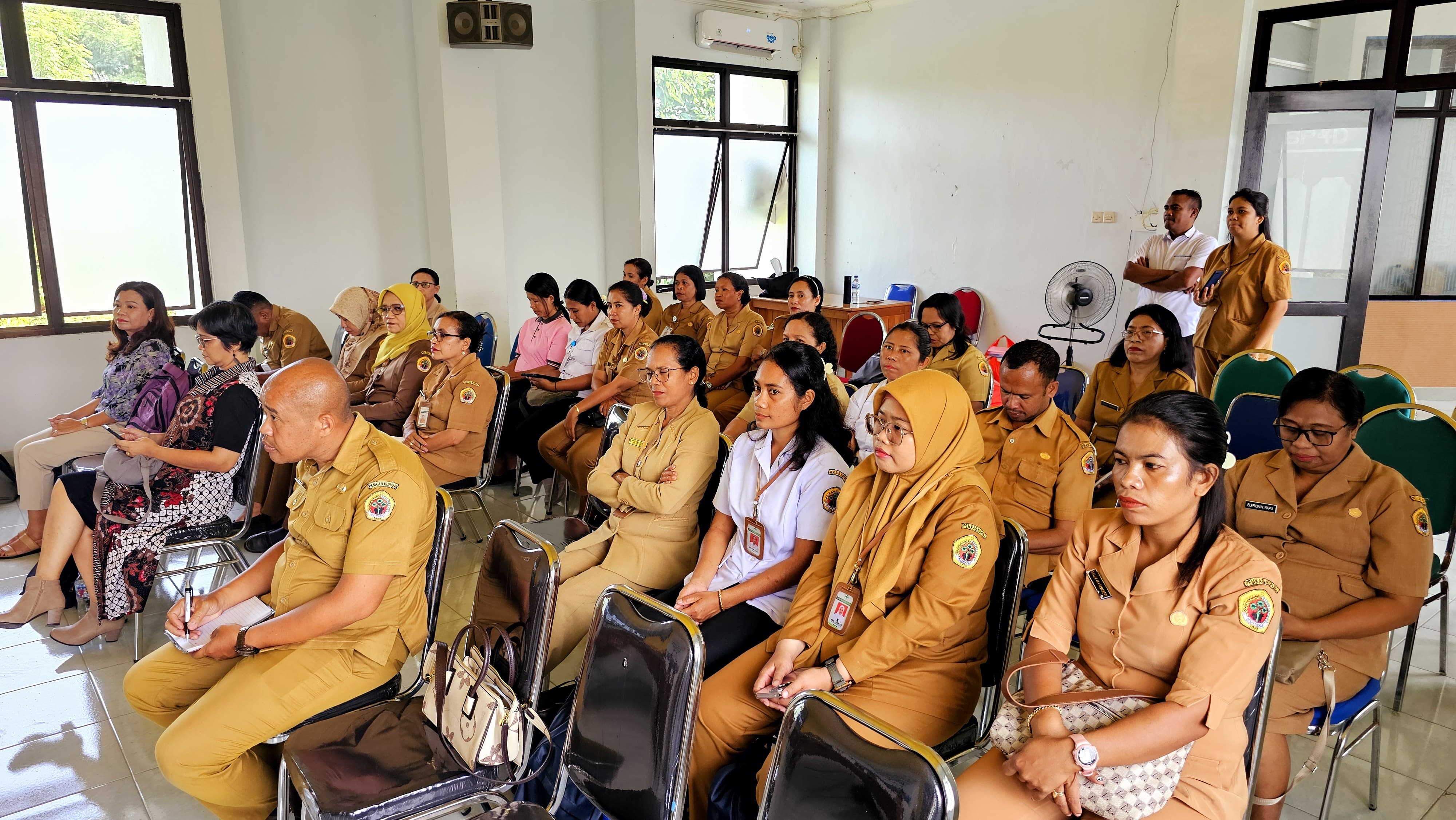
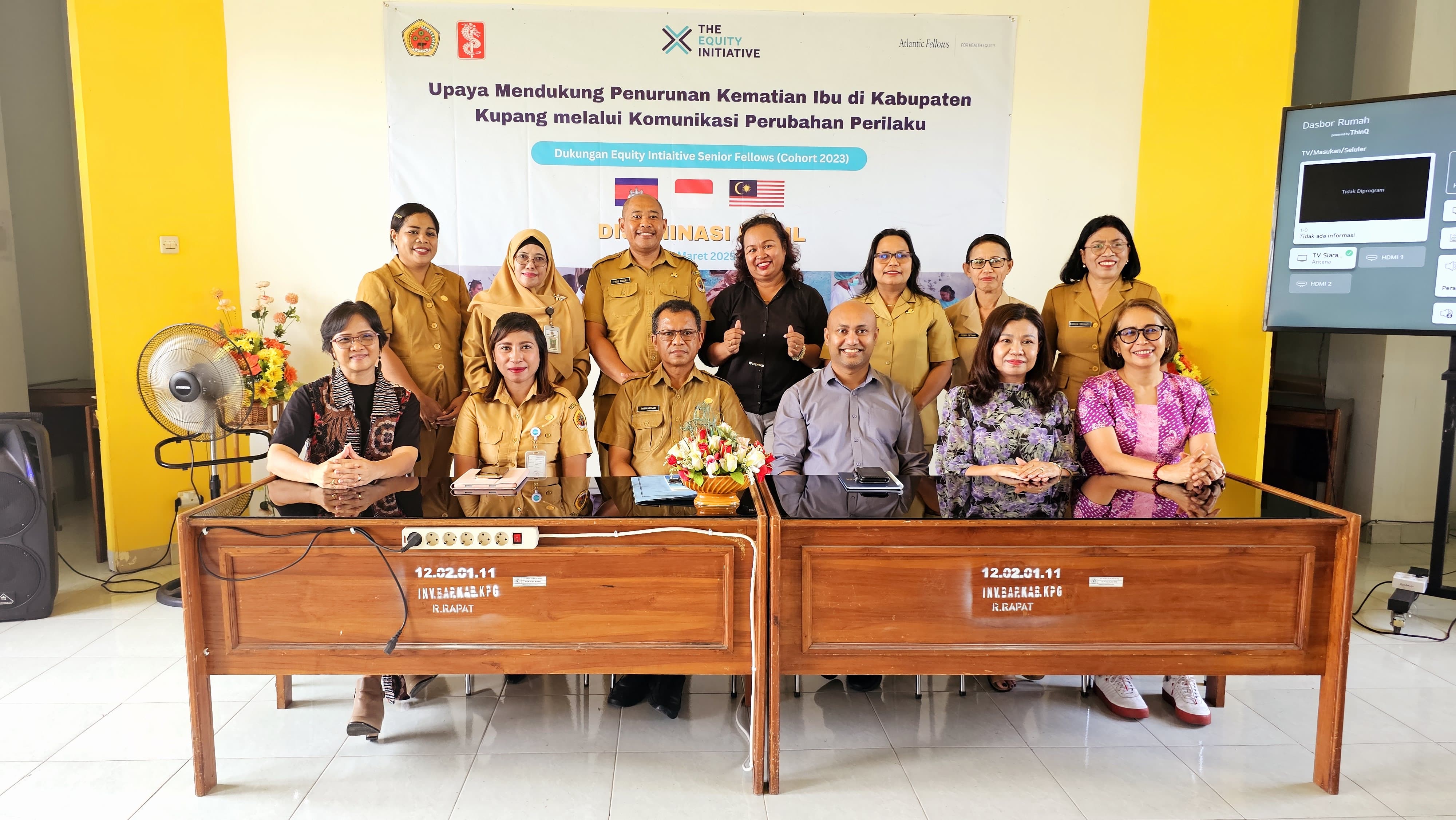
Health Officials Attending the Session
For her Second Year Project, Nita teamed up with two other Fellows from Malaysia and Cambodia to design a simple but strategic model: empower village health cadres with basic digital tools and official Ministry of Health education materials and plug them into existing government systems. With strong support from the district health office and regional development planning agency, cadres were trained to conduct structured home visits, use tablets or mobile phones to share information with pregnant women, and record key data into an online system for every expectant mother. This transformed cadres into the “eyes and ears” of midwives, while keeping the approach low cost and embedded in local government budgets and workflows.
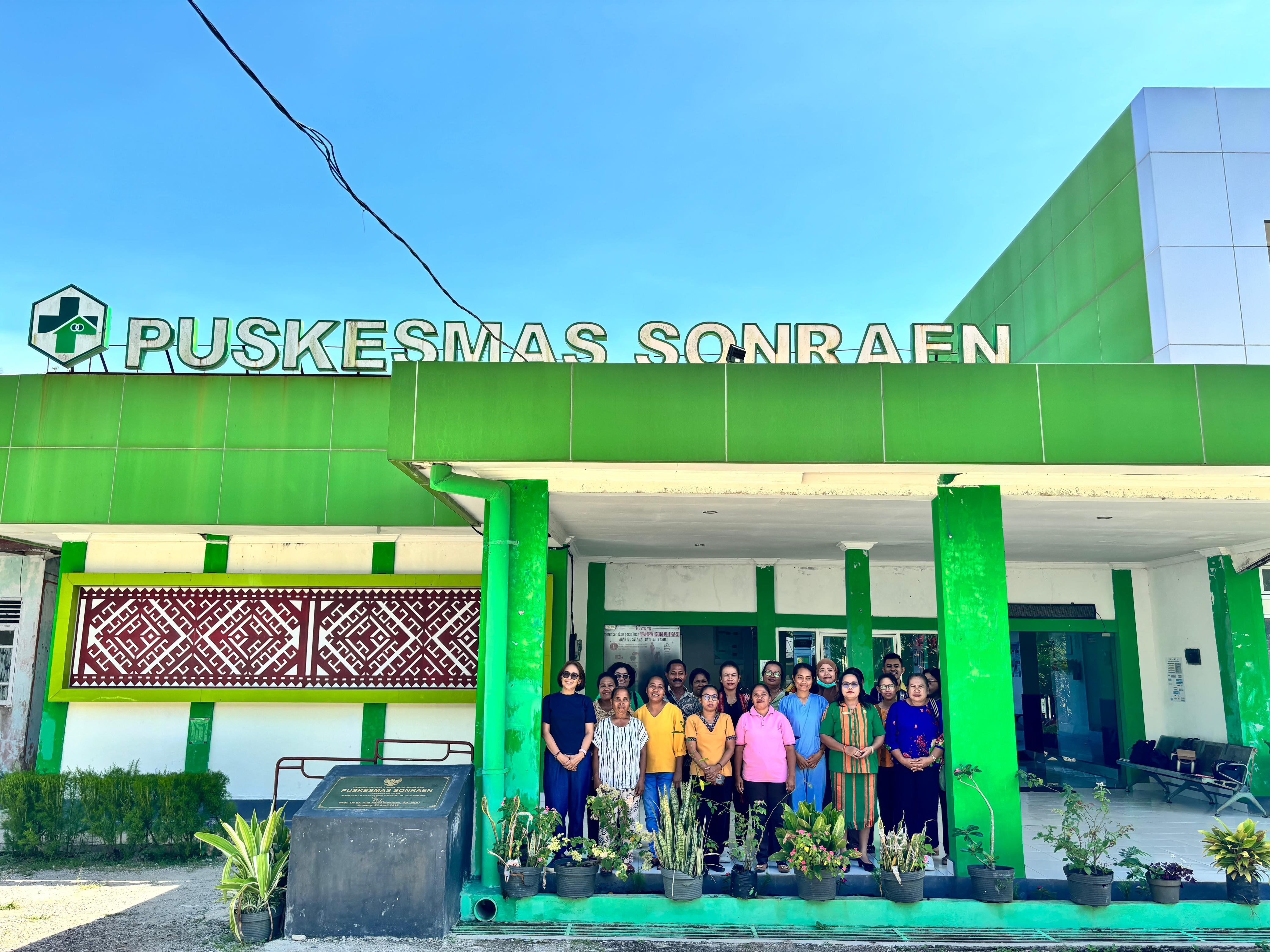
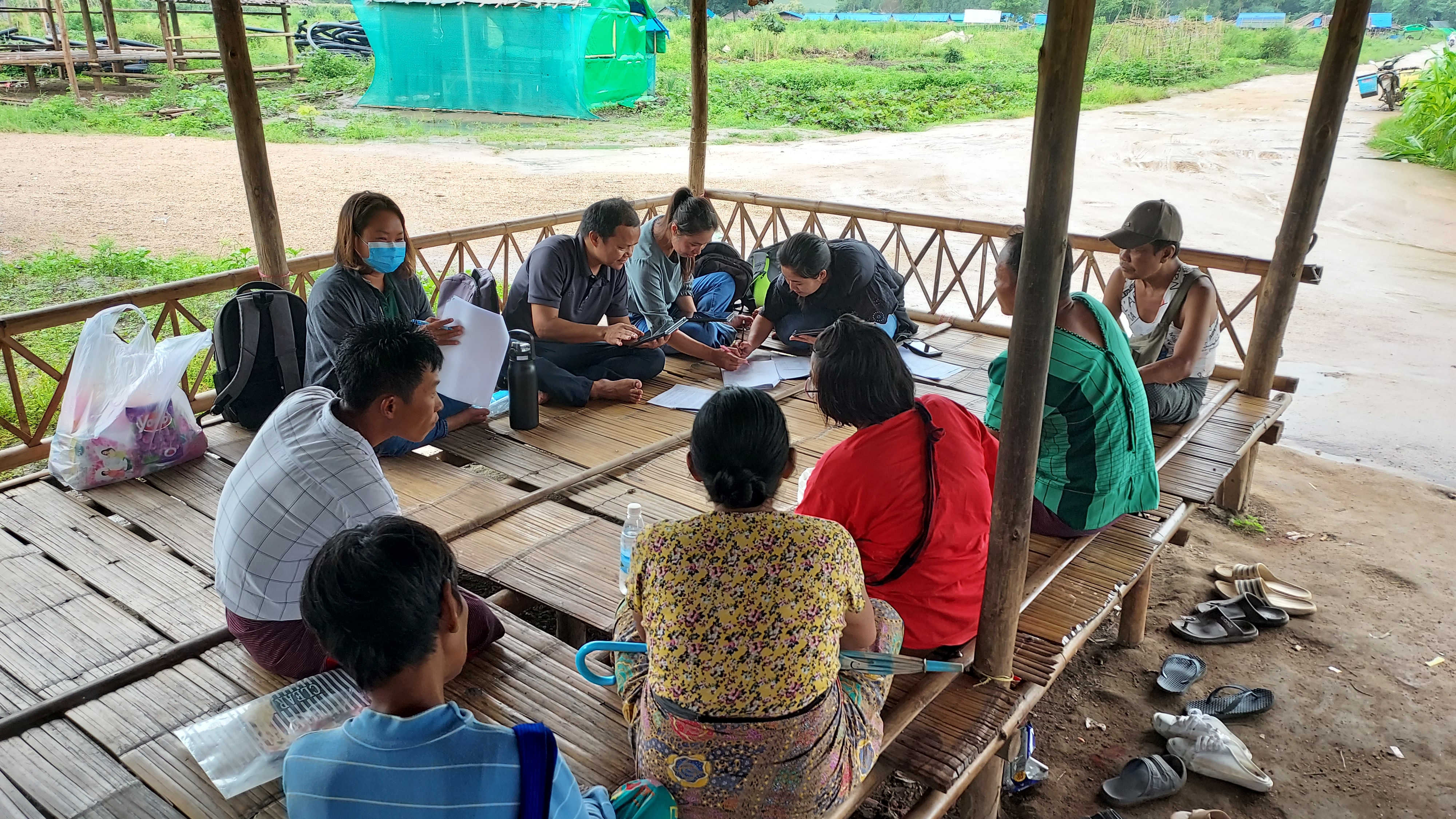
Workers Outside the Health Center
Over eight months, maternal deaths in the district fell from 13 to 9, while infant deaths held steady at 21. More importantly, every pregnant woman in participating areas was tracked—“no one is missed,” as Kupang District Health Officer Mariana Archoon Sailana noted. Cadres’ visits became more systematic and better received, using local language and culturally meaningful messages. The model’s simplicity convinced the government to scale it to twelve more community health centres, including remote island communities, with cadres now actively supporting midwives in education and monitoring.
Nita and her team learned that careful mapping of local resources, strong government collaboration and smarter use of existing tools can deliver major gains without large new budgets. By trusting and equipping community cadres, they showed how locally led, low-cost innovation can make maternal health systems more equal, responsive and sustainable
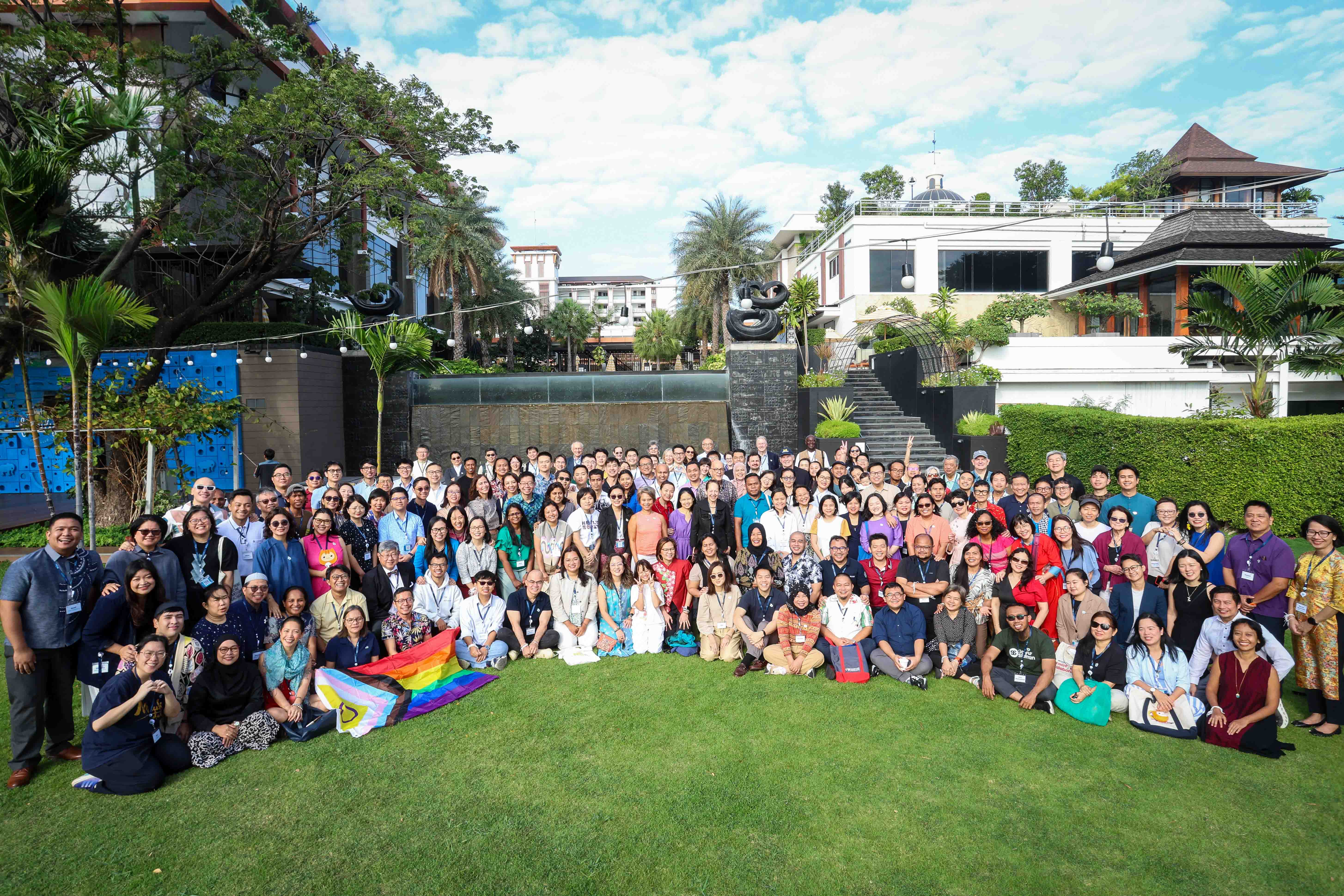
This story is part of the Equity Initiative’s 10-year anniversary, celebrating a decade of leadership, collaboration, and impact across Southeast Asia and China.
Related News