Stories, Power, and Systems: Global Leadership in Oxford
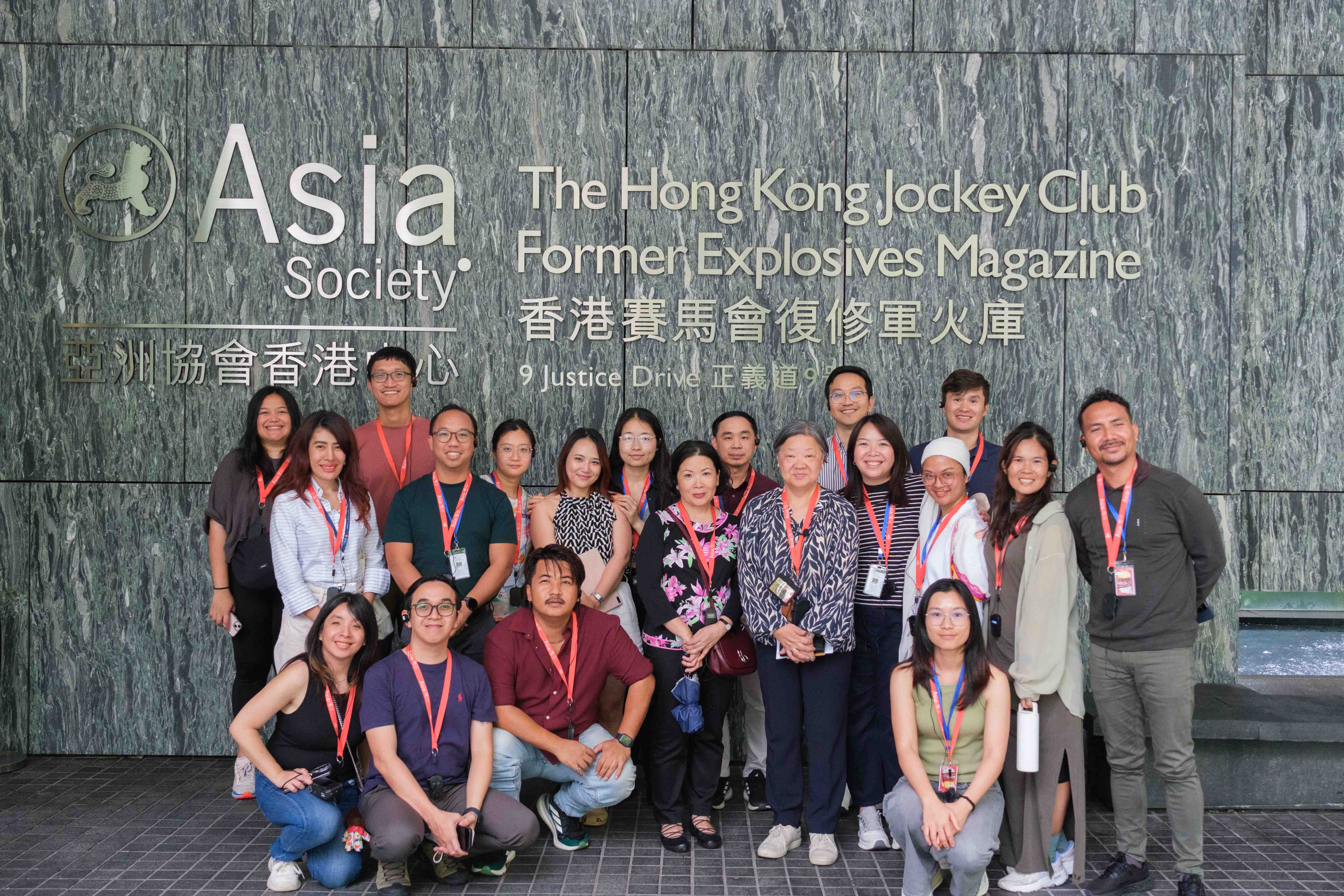
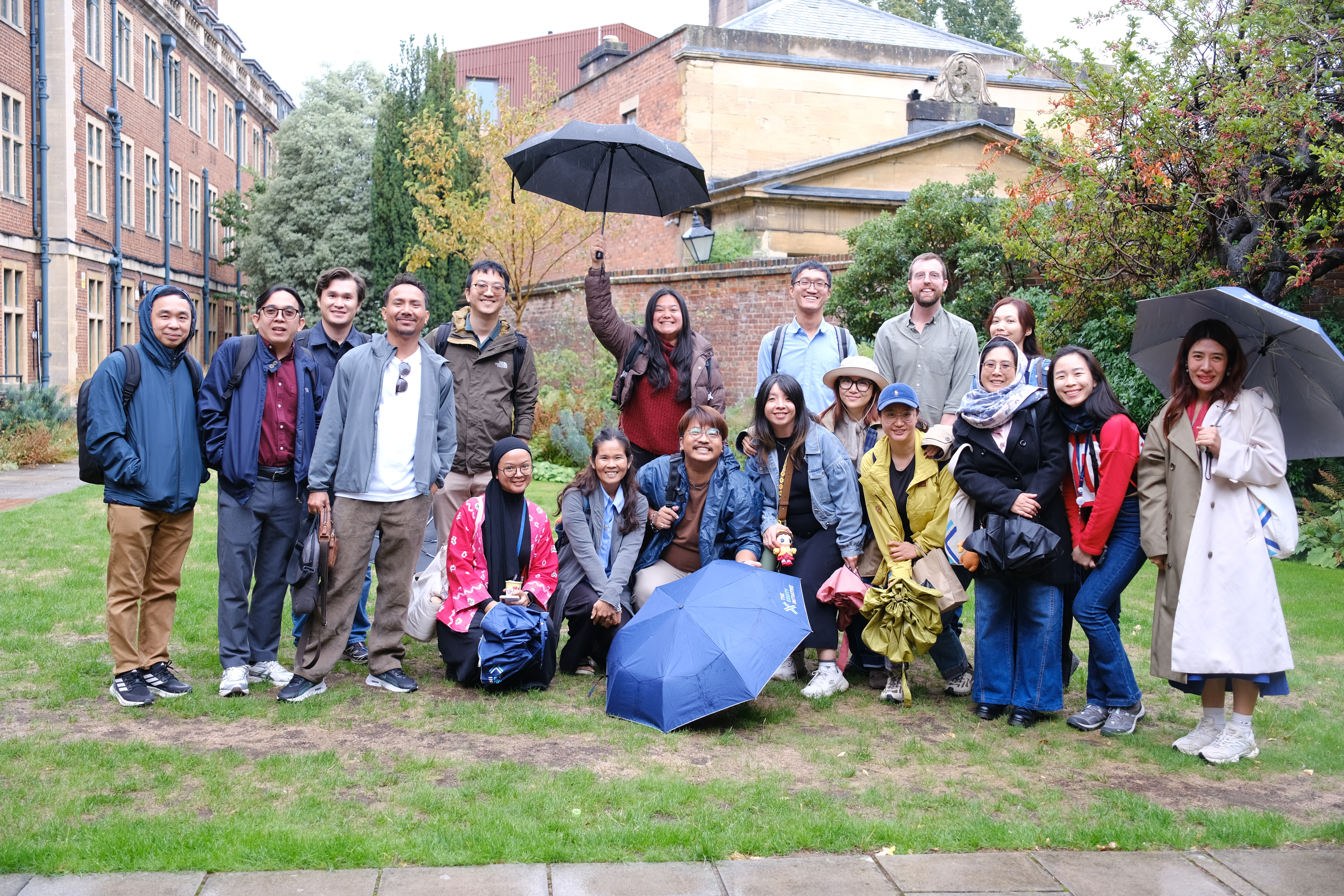
The 2026 CMB/EI Fellows gathered in Oxford, UK from September 1–10 for Global Leadership, the fourth learning module of their Fellowship Induction Year. After Viet Nam, Kenya, and Hong Kong, this module brought Fellows together to strengthen their public leadership capabilities, broaden their perspectives on equity issues and action in a global context, connect with the wider Atlantic Fellows community, deepen relationships within the cohort, and take stock of how far they have come since the fellowship began in March.
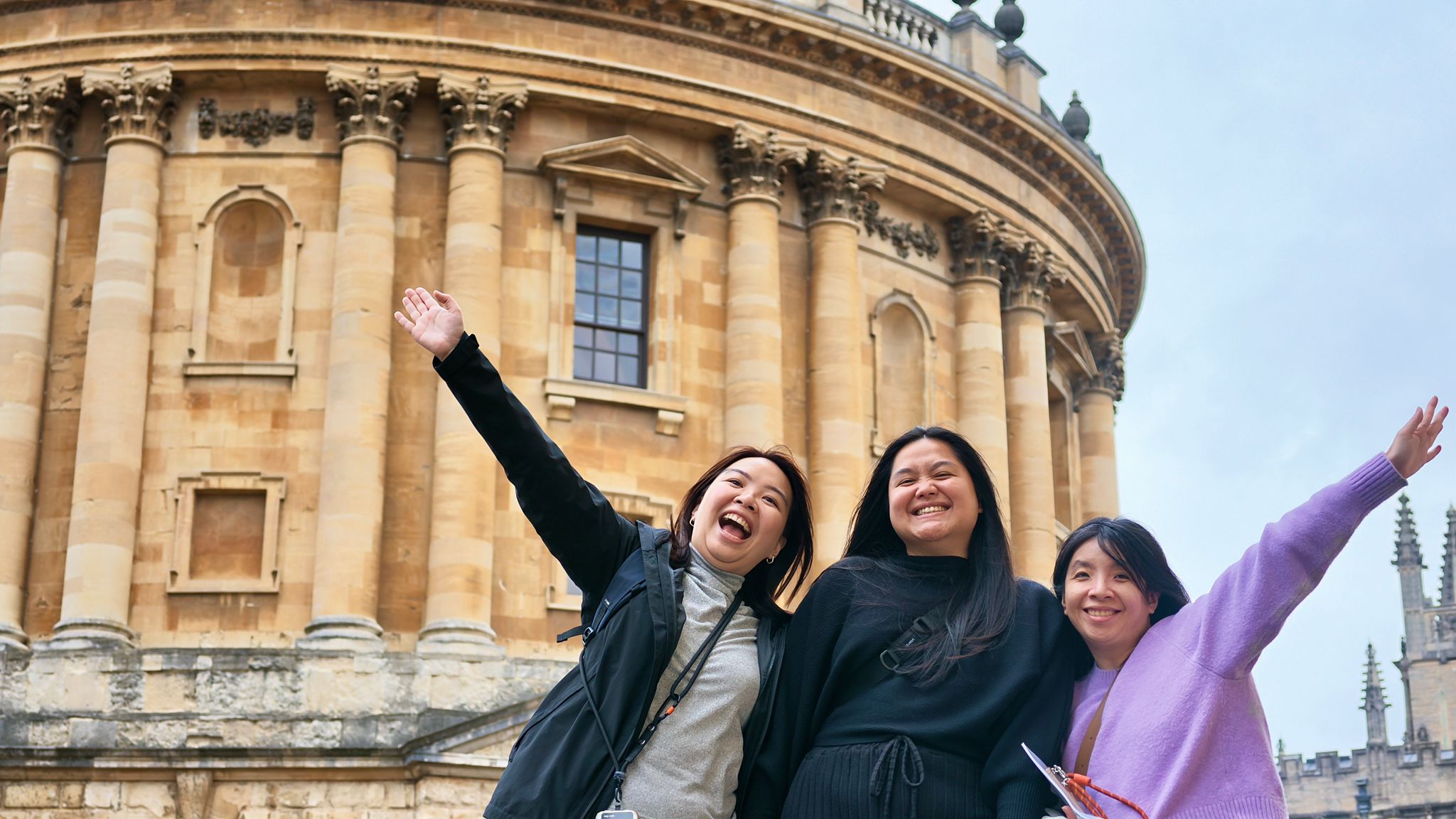
Fellows were immediately immersed in the environment by arriving at St Peter's College, walking its grounds together, and sharing a first dinner at Hannington Dining Hall.
“Heading to the UK, I was most excited to explore what it means to be a systems leader, how we integrate and articulate our stories to a wider system, and using that to mobilize people and resources towards change. I also looked forward to reconnecting with my cohort, thinking about how we can continue doing meaningful things together beyond this journey” — Kate Shieh (2026, Singapore)
The week opened with Fellows presenting early Second Year Project (SYP) concepts to CMB President Dr. Roger Glass and Executive Vice President Dr. Barbara Stoll. This was their chance to test emerging ideas to outside eyes, laying the foundation for the rest of the week.
Whose Stories Get Told?
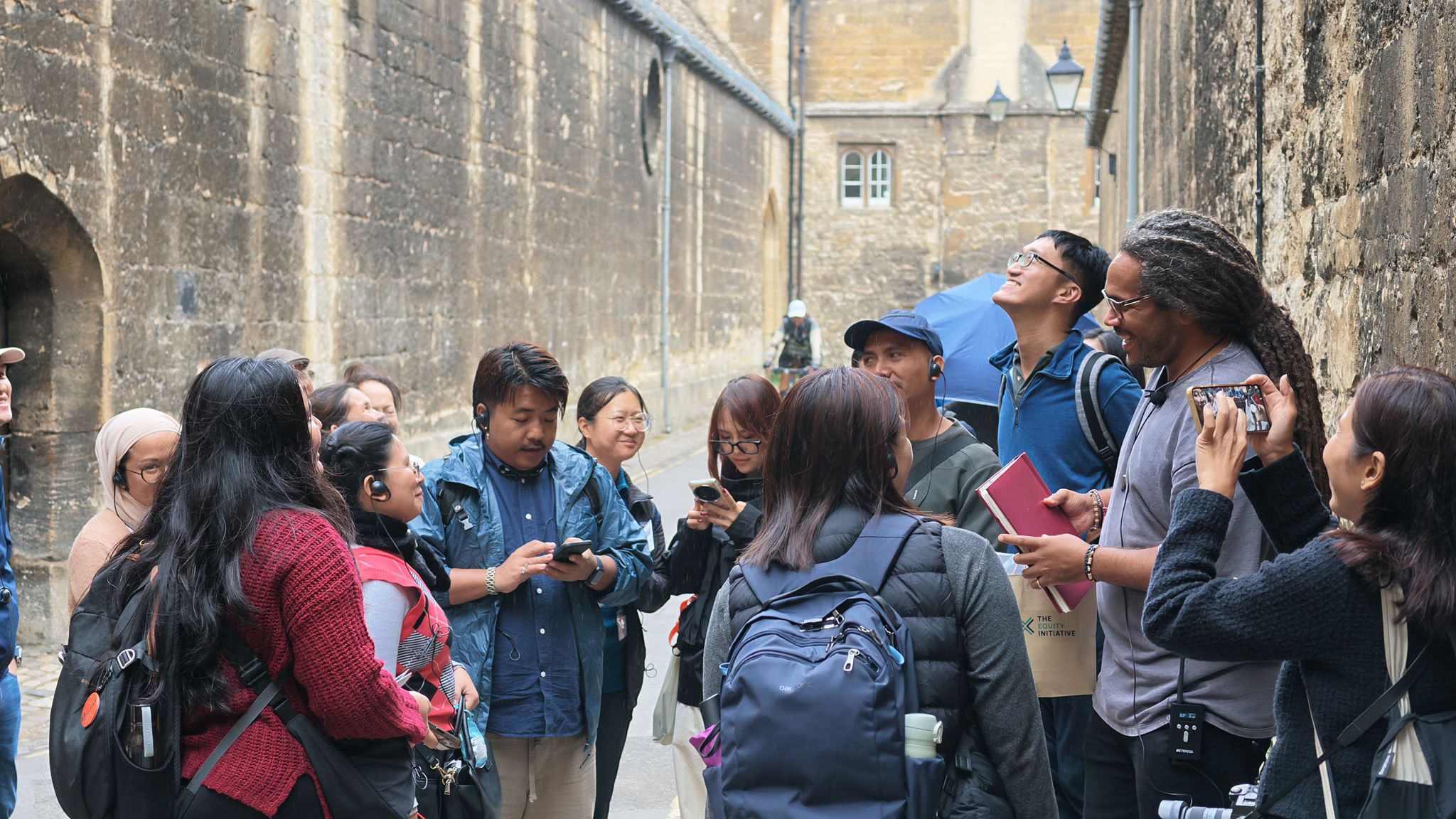
That evening, Fellows set out on a walking tour with Oxford artist and poet Rawz, who grew up in one of the city's most under-served neighborhoods. Drawing on his background in hip-hop and spoken word, Rawz pointed out overlooked histories prompting the group to examine who holds power, and how that question intertwines with memory and storytelling.
Systems Mapping with Dr. Duncan Green and Tom Kirk
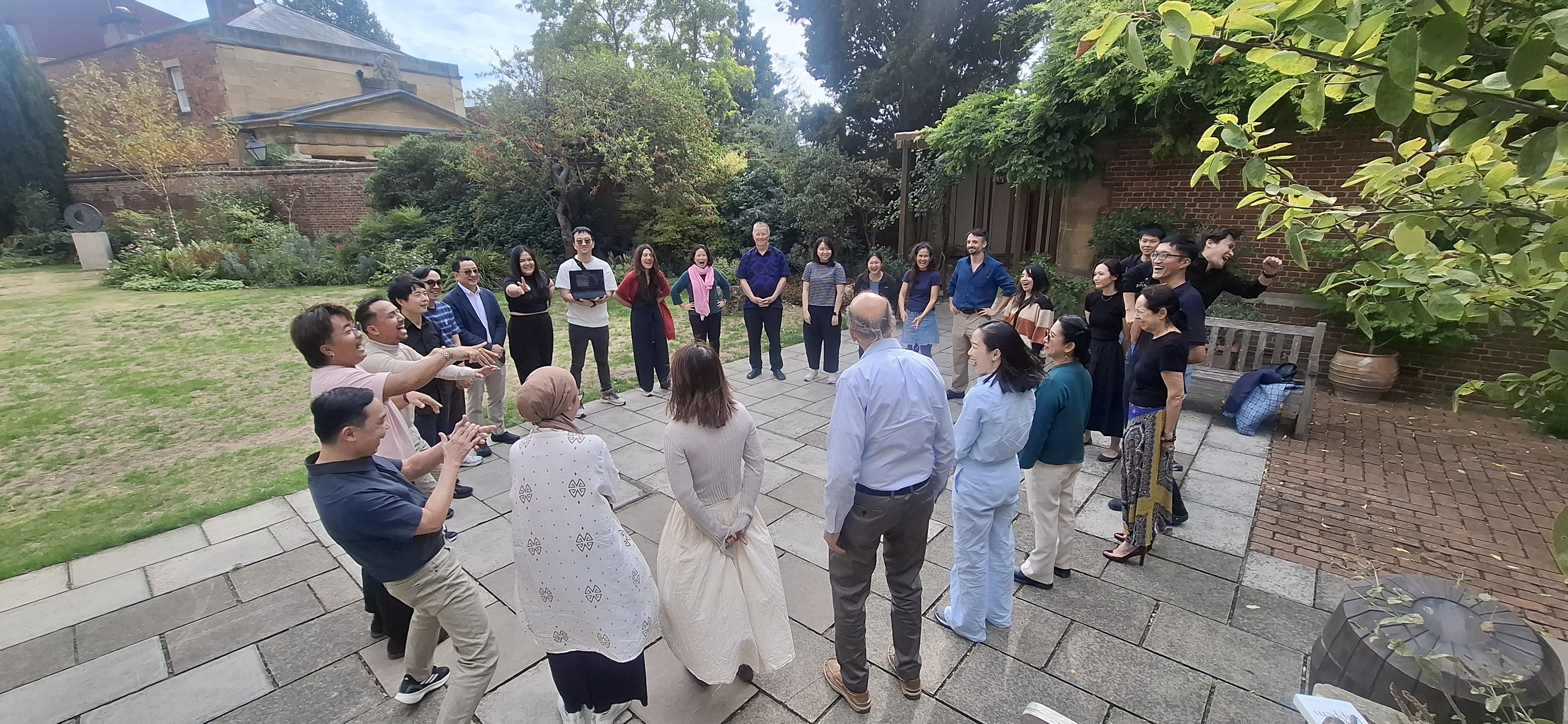
Dr. Duncan Green (LSE, Oxfam GB) and Tom Kirk (LSE) led Fellows through a day and a half of systems thinking, applied side-by-side their own projects. Longtime Oxfam strategist and “How Change Happens” author, Dr. Duncan Green, and Tom Kirk, whose research tracked civil society and influences strategies from Pakistan to East Africa, ran Fellows through a hands-on workshop on power and systems. From this, in their SYP groups, Fellows mapped the stakeholders, relationships, and power dynamics surrounding their specific project areas.
“The session with Duncan Green and Tom Kirk shifted how we approached our SYP by helping us look beyond the interventions itself and examining who holds power, who gets to participate, and whose voices are missing, through the Power Cube framework. It prompted us to strengthen our approach so that Deaf and hard-of-hearing (DHH) patients are not simply beneficiaries but are active participants in co-designing and influencing the changes that affect their healthcare experiences.” — Leo Rulino (2026, Indonesia)
From Self to Systems with Rosi Greenberg
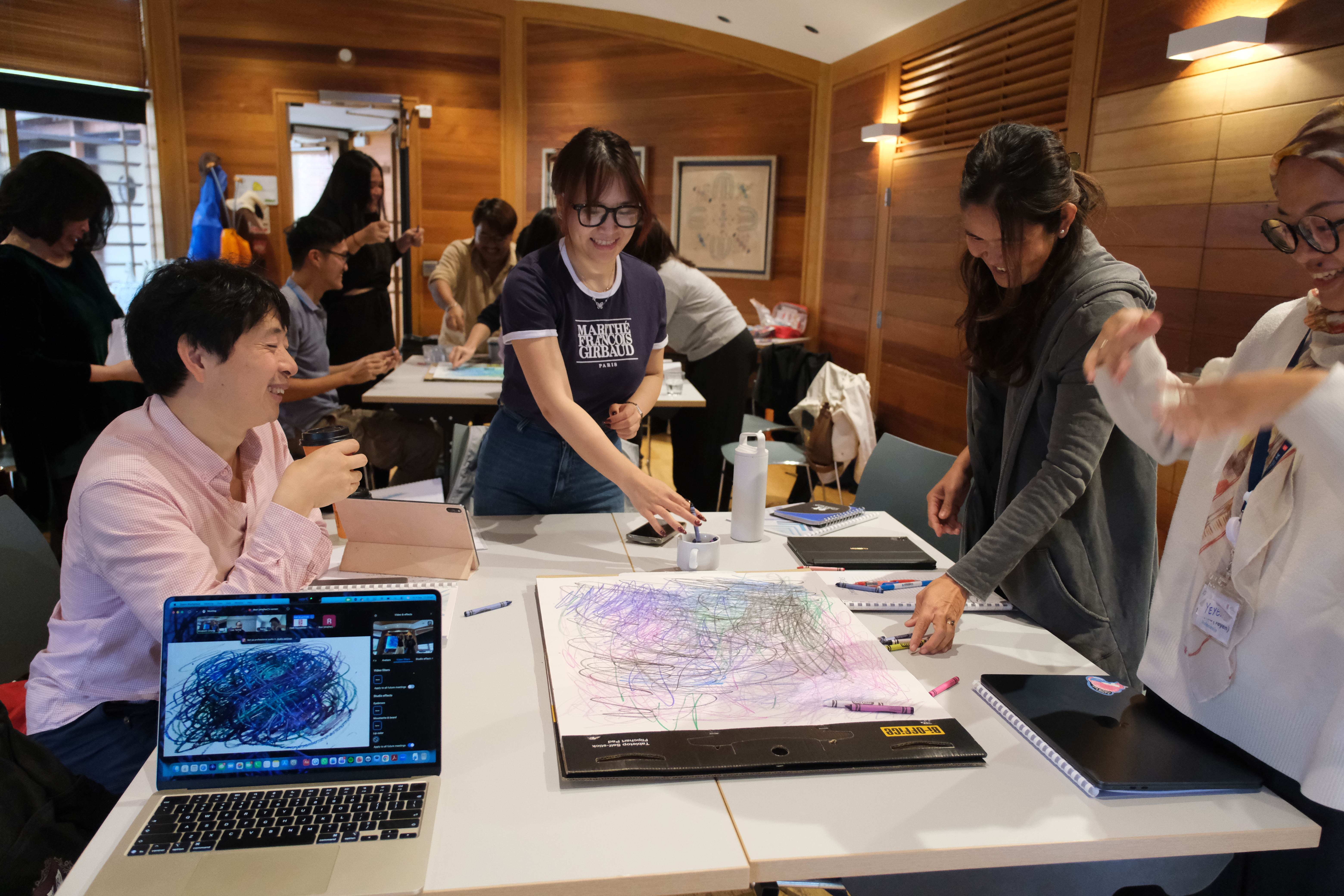
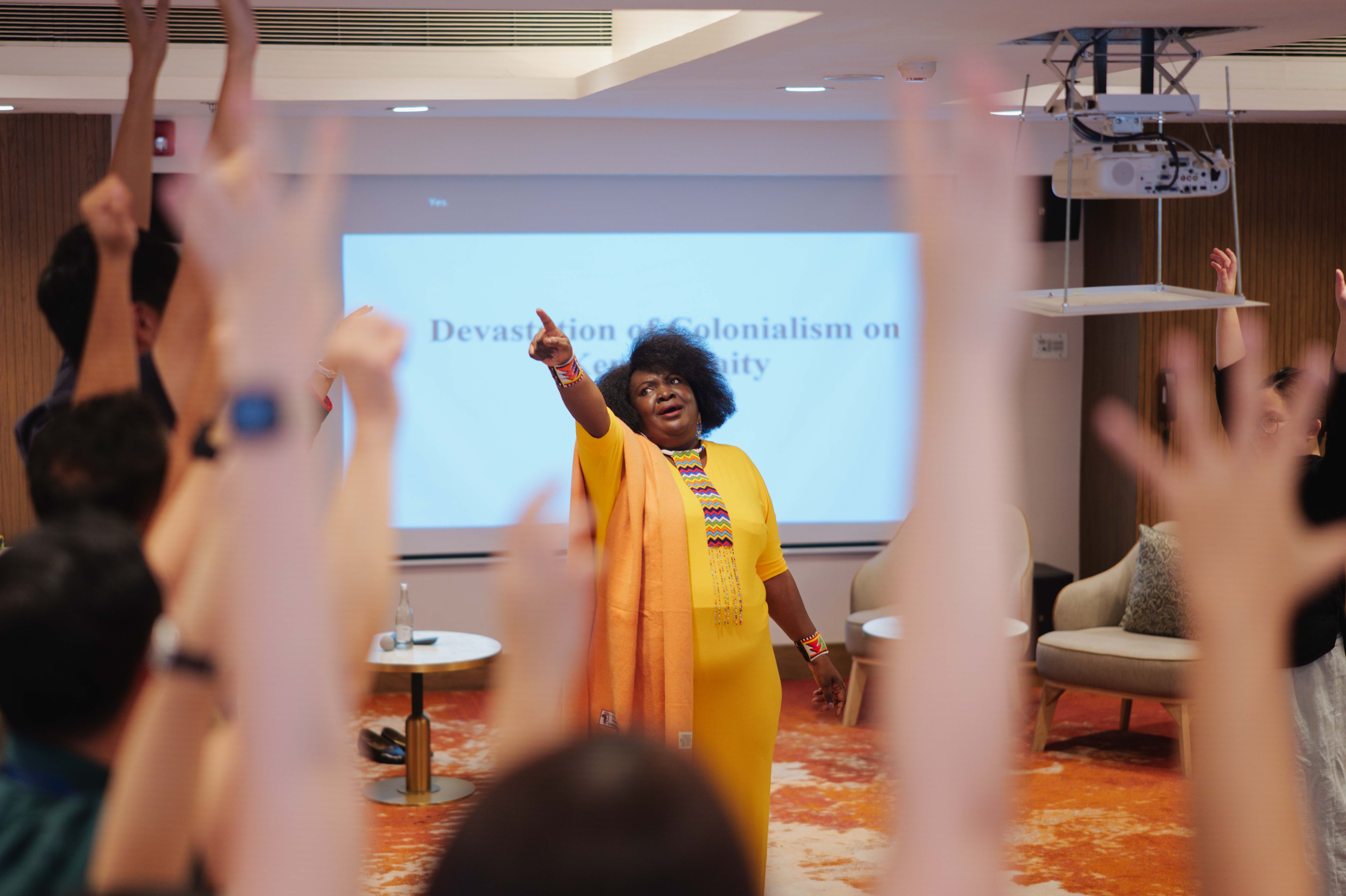
The week's cornerstone was a two-and-a-half-day workshop with Rosi Greenberg, an artist and author of “Everyone Has a Sam.”
“I found that I can have a unique voice, lead in my own way, and have the courage to move beyond fear and my inner critic—my “SAM.” The story of us gave me the courage and strength to keep going, even when equity work is hard. Together, these stories inspire me to continue the work I do with purpose, courage, and hope, and to stay true to who i am called to be.” — Calyn Tan (2026, Malaysia)
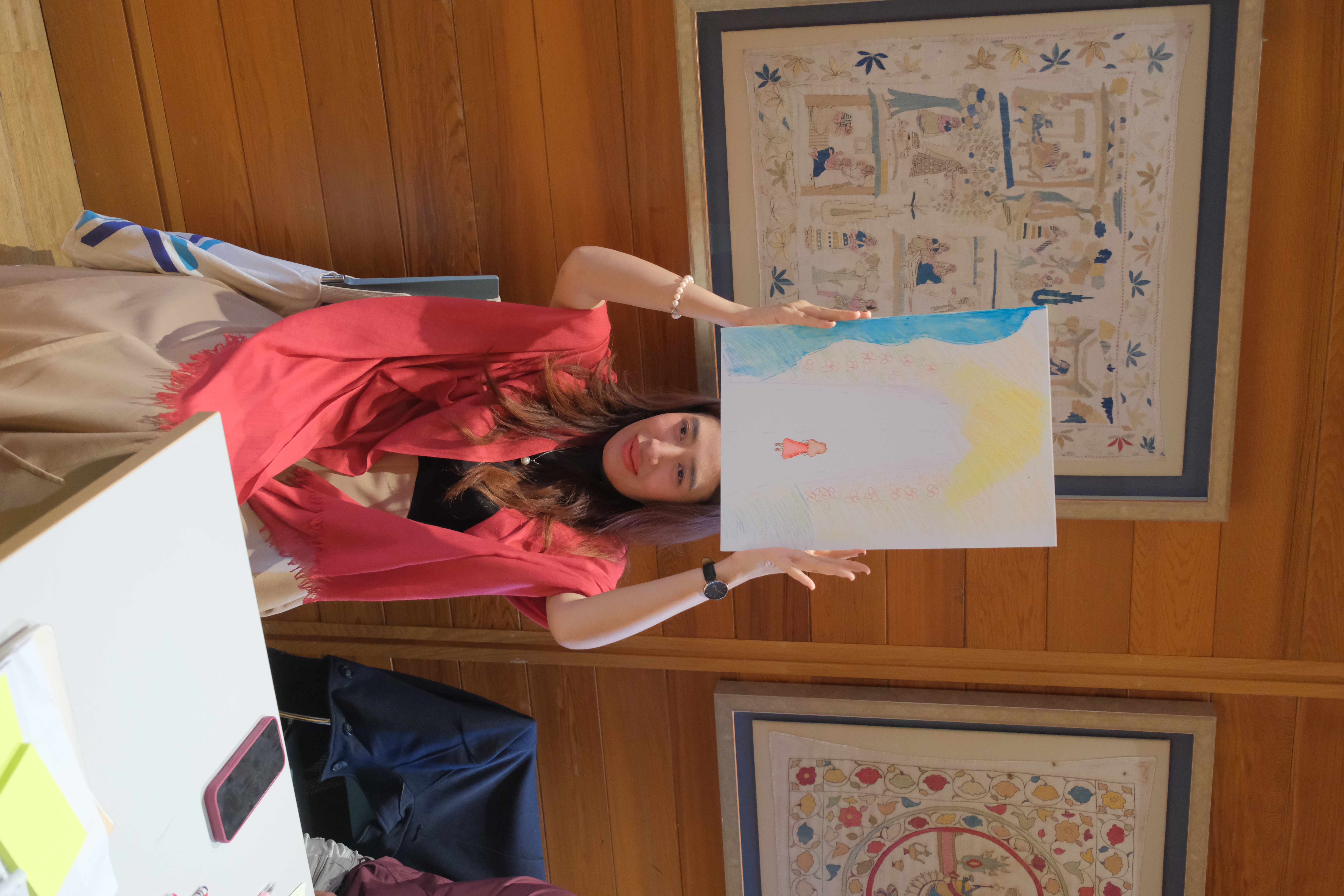
Drawing on community organizer Marshall Ganz's public narrative framework (the idea that stories, not abstractions, are what move people from fear toward hope), Fellows built their own “Story of Self, Story of Us, and Story of Now,” grounding their leadership goals in personal values and collective action.
“One valuable lesson I learned in UK is how to connect my personal values with a shared purpose through the practice of Story of Self, Story of Us, and Story of Now. This helps me connect with others, communicate my values and the values of my community, and turn them into clear and practical actions.” — Lo Minh Duc (2026, Viet Nam)
An afternoon of self-reflection midway through the week then gave Fellows space to sit with what the workshop had surfaced before returning for its final day: leadership as intervention, and what Rosi calls "the fierce urgency of now."
A Day in London
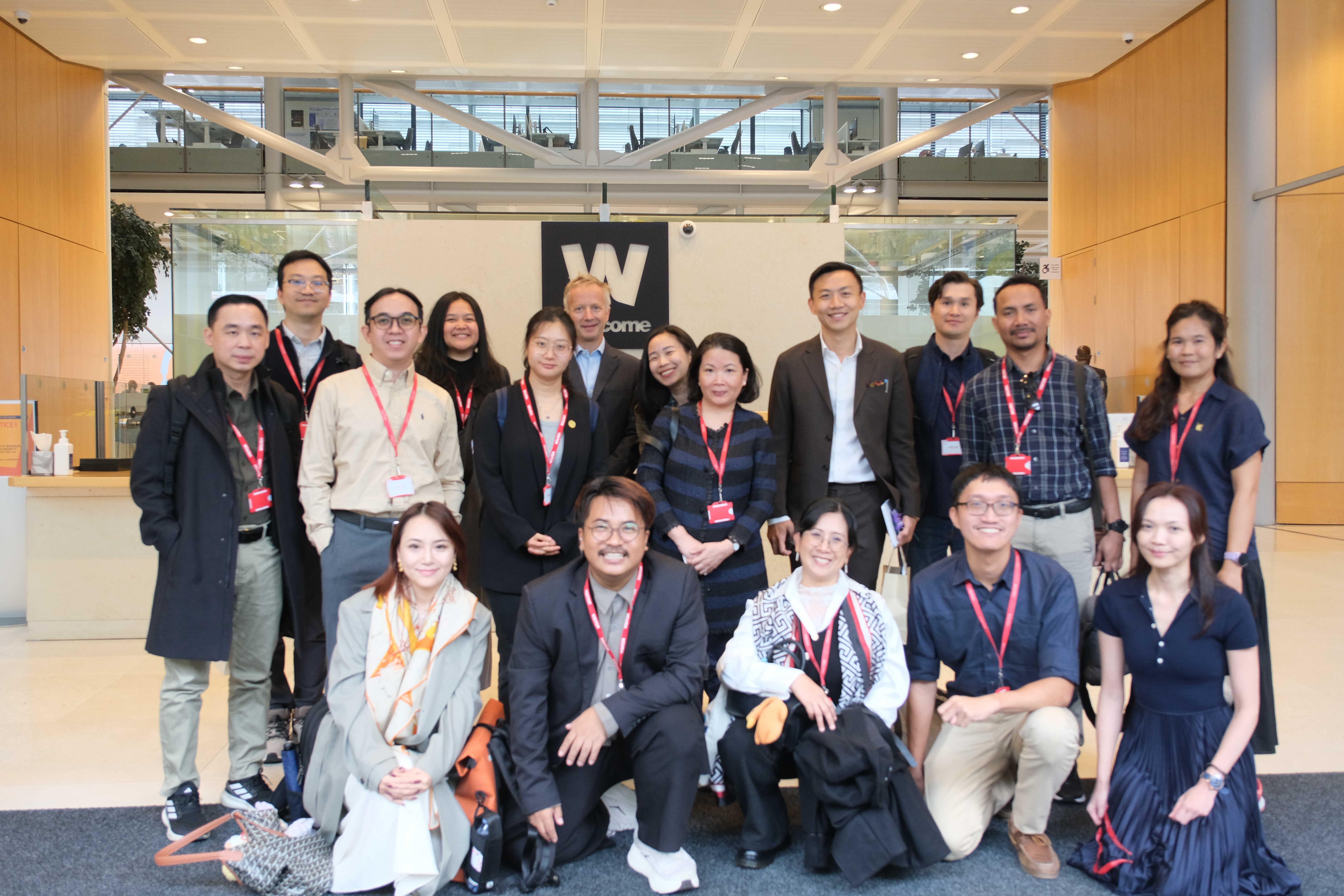
Fellows traveled to London for a day anchored by two conversations. Wellcome Trust CEO Dr. John-Arne Røttingen spoke with Fellows about how investment decisions shape equitable health outcomes, building on earlier conversations with Dr. Gabriel Leung from the Jockey Club in Hong Kong and engagement in Nairobi with practitioners conducting Wellcome-supported public health research.
At UCL's Institute of Health Equity, Professor Sir Michael Marmot and Dr. Jessica Allen walked Fellows through decades of evidence on the social determinants of health, from the Whitehall II Study to Build Back Fairer, and what it takes to convert evidence into policy and local action.
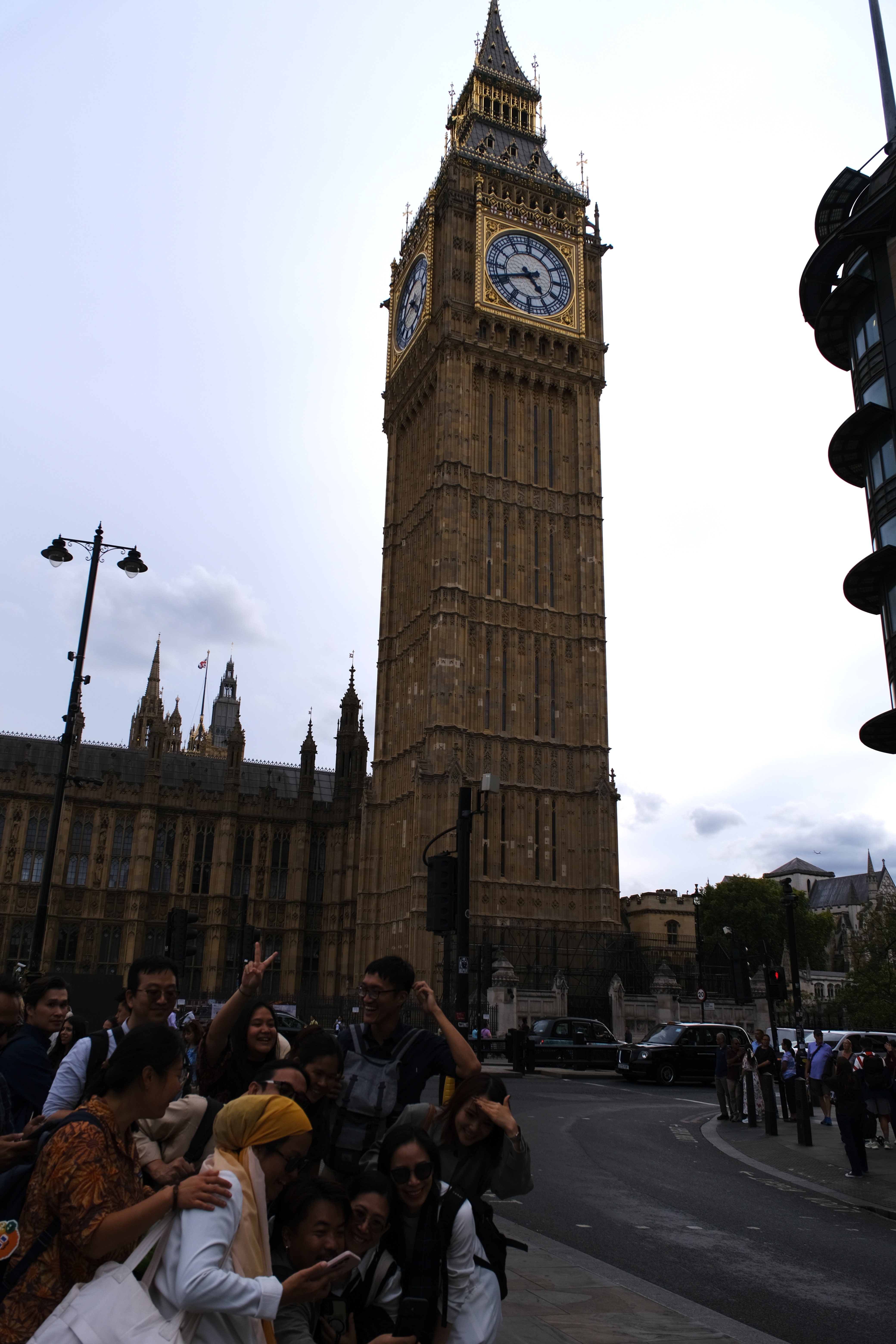
The day closed with a walking tour through South Kensington, the Natural History Museum, the V&A Museum, and dinner in the West End, joined by CMB/EI Fellows based in London and members of the wider Atlantic Fellows community.
Digital Power with Dr. Michael Vaughan
Back in Oxford, Dr. Michael Vaughan (LSE) examined how far-right movements use digital platforms to mobilize their bases, and what that means for equity leaders trying to build credible narratives of their own in the same information environment. Fellows left with a copy of “Story Tech: Power, Storytelling, and Social Change Advocacy,” co-authored by Vaughan.
Joining a Wider Community
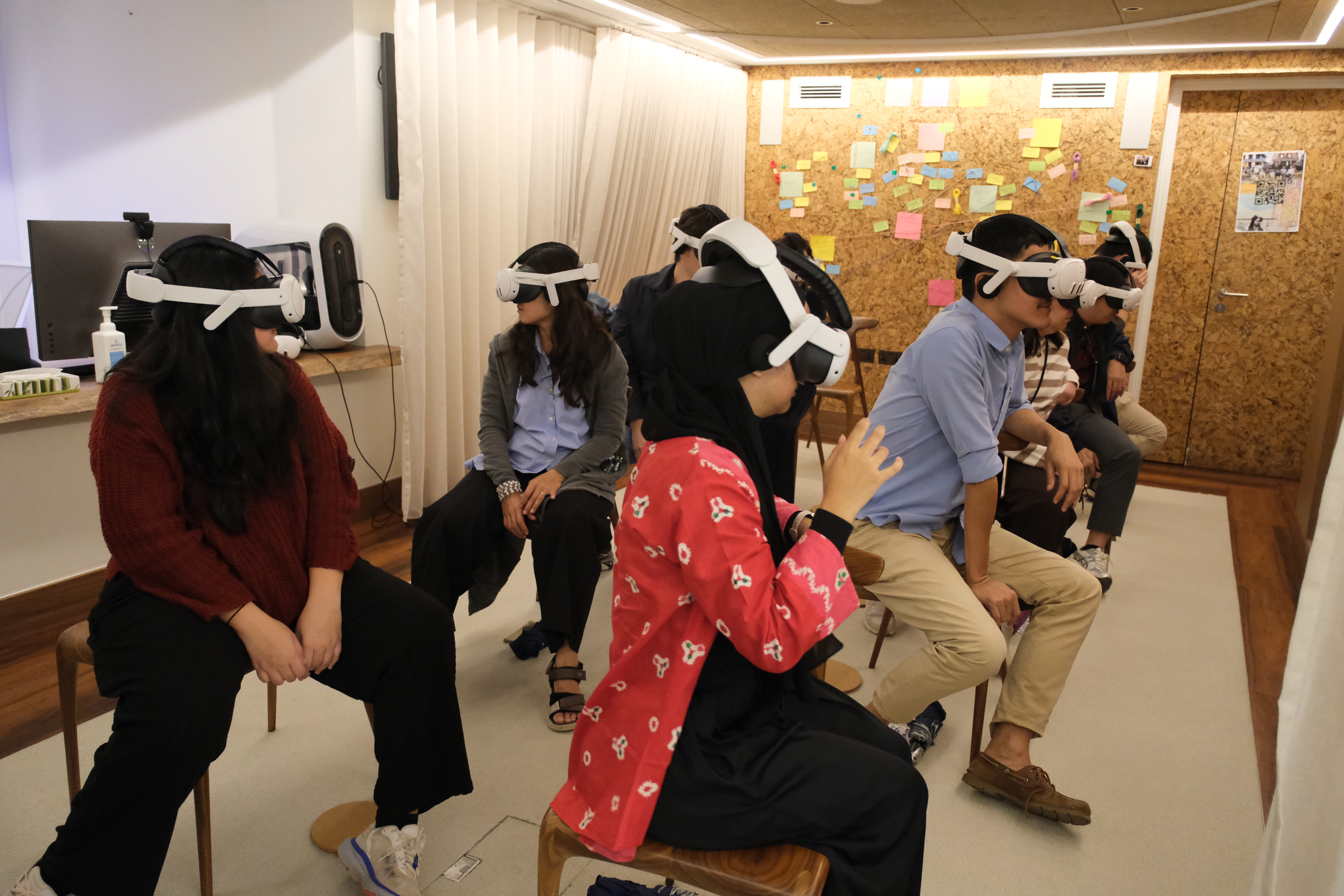
At Rhodes House, home of the Atlantic Institute, Fellows were introduced to the full Atlantic Fellows network, and the resources available to them well beyond the Induction Year. A tour of Rhodes House and an extended-reality (XR) experience closed out the afternoon, offering a different way of thinking about connection across distance.
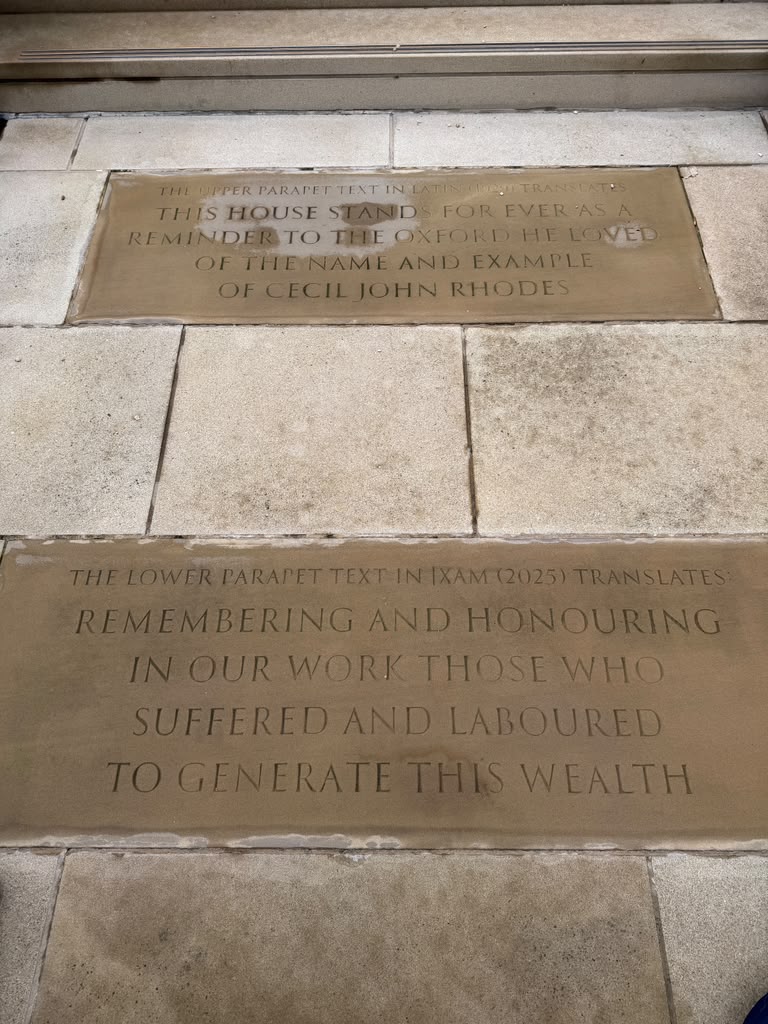
“What struck me most was the contrast between the two inscriptions: one honors Cecil Rhodes, while the newer one honors those who suffered and labored to generate his wealth. Instead of simply erasing a history of exploitation, they allow us to see it more fully, and to remember those who had long been forgotten.” — Ma Tao (2026, China)
Turning Ideas into Proposals
During the module's final days, Fellows returned to their SYP groups to consolidate their proposals on approach, strategy, and roles ahead of the submission deadline, and to begin planning their contribution to the 2026 Annual Forum.
Closing
In the closing reflection session, Fellows looked back across Viet Nam, Kenya, Hong Kong, and Oxford, considered how their leadership has grown, and named what they want to carry forward into the next stage. The cohort ended the module with the shared dinner at The Ivy Oxford.
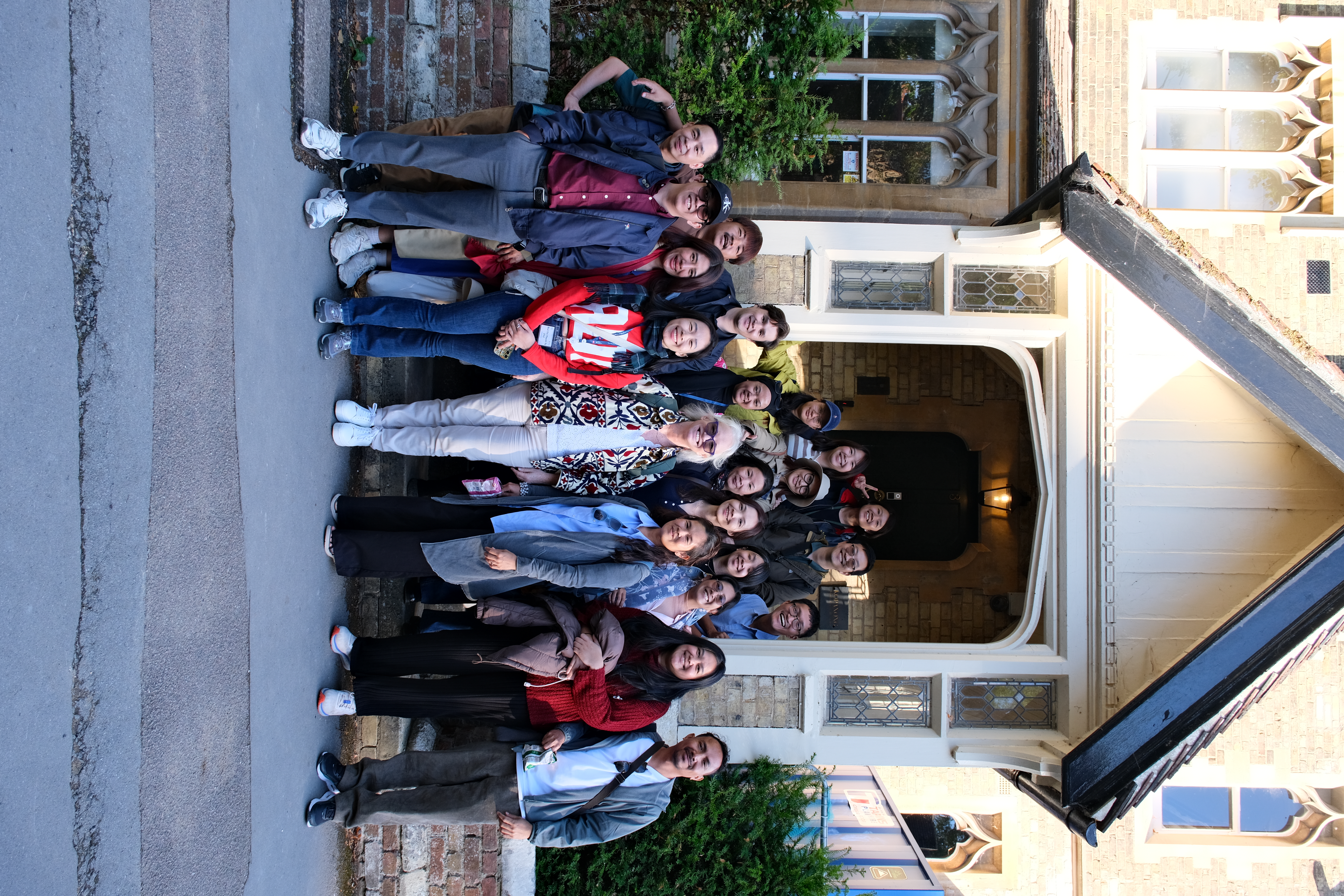
Fellows leave Oxford with proposals taking shape, a wider community ahead them, and learnings from Hue, Nairobi, and Hong Kong through Oxford and London. Next, they will develop their proposals together online in November, before reuniting in January for the Final Convening, and their graduation at the Equity Initiative Fellowship’s signature event, the Annual Forum.
The Equity Initiative is celebrating its 10-Year Anniversary. Ten years of bringing together health equity leaders across Southeast Asia and China, all committed to building a more just and equitable region. Stories like this are what that decade looks like in practice: a reflection of fellowship, collaboration, and the shared commitment to equity.