Indigenous Communities, Safer Future
A Community Protection Program for Women and Girls in Rantanakiri, Cambodia
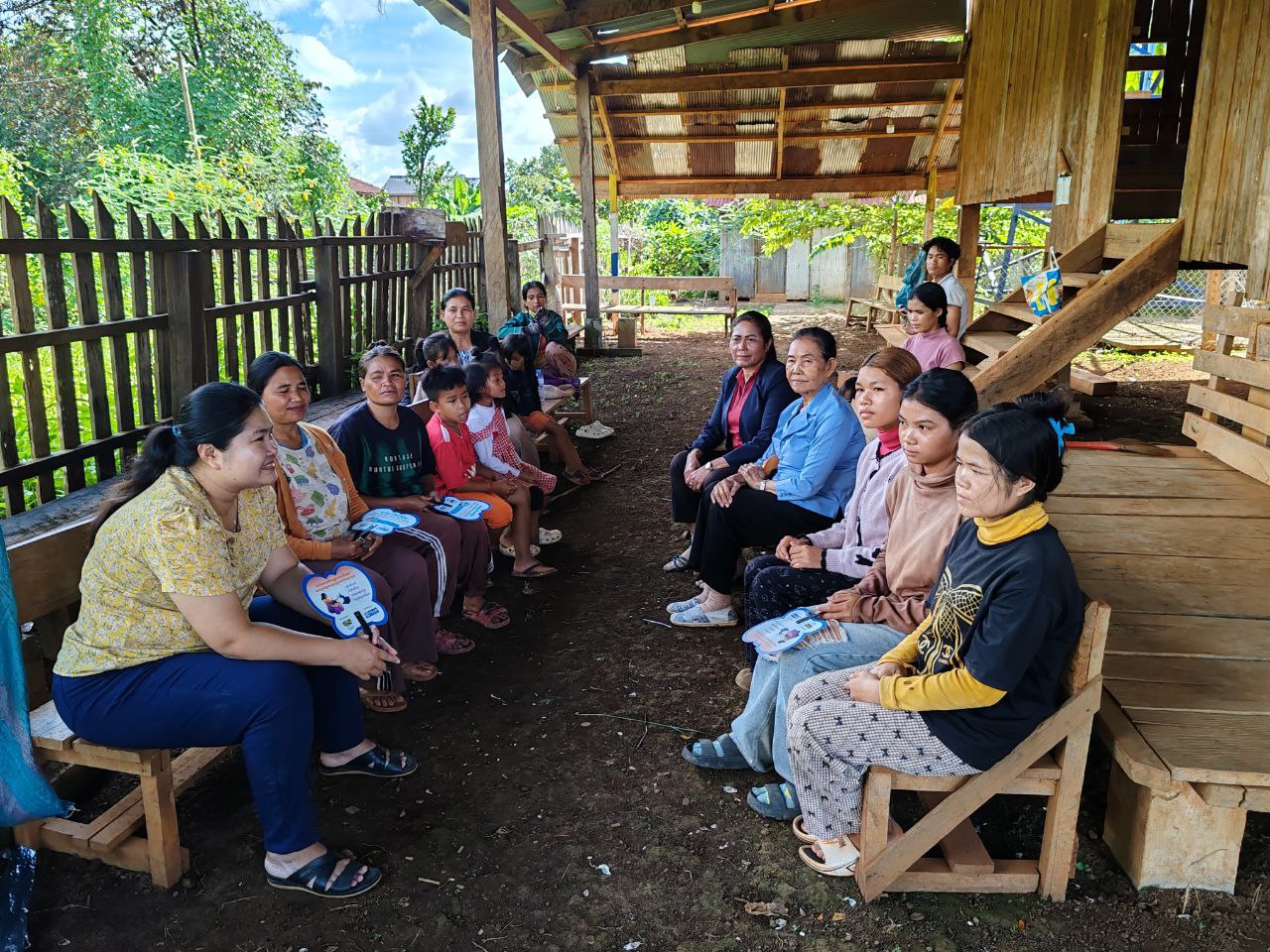
In the remote communities of Ratanakiri province, indigenous women and girls live with deep, often hidden vulnerabilities. Gender-based violence, early and child marriage, and chronic poverty shape their daily life, while mental health, legal, and protection services are scarce and distant. The fear of stigma, long travel distances, and limited decision-making power mean that many survivors remain silent, carrying their pain alone.
EI Fellow Sean Phay and his team at Child Helpline Cambodia are helping to shift that reality, using a layered, community-based approach to tackle violence against women and girls. They equipped local frontline workers with essential skills in mental health first aid, counseling and case management, and provided survivor centered outreach through home based counseling and humanitarian support that helped women and girls to safely access legal aid, social protection such as ID Poor, Equity Cards, and livelihood opportunities. Alongside this, they operated a free, confidential 24/7 helpline (1280) and digital channels to open up new pathways for survivors to seek support without fear. At the same time, they engaged indigenous men and boys through “Stress and Anger Management” training and worked with commune leaders to prioritize GBV prevention and child protection in local plans and budgets.
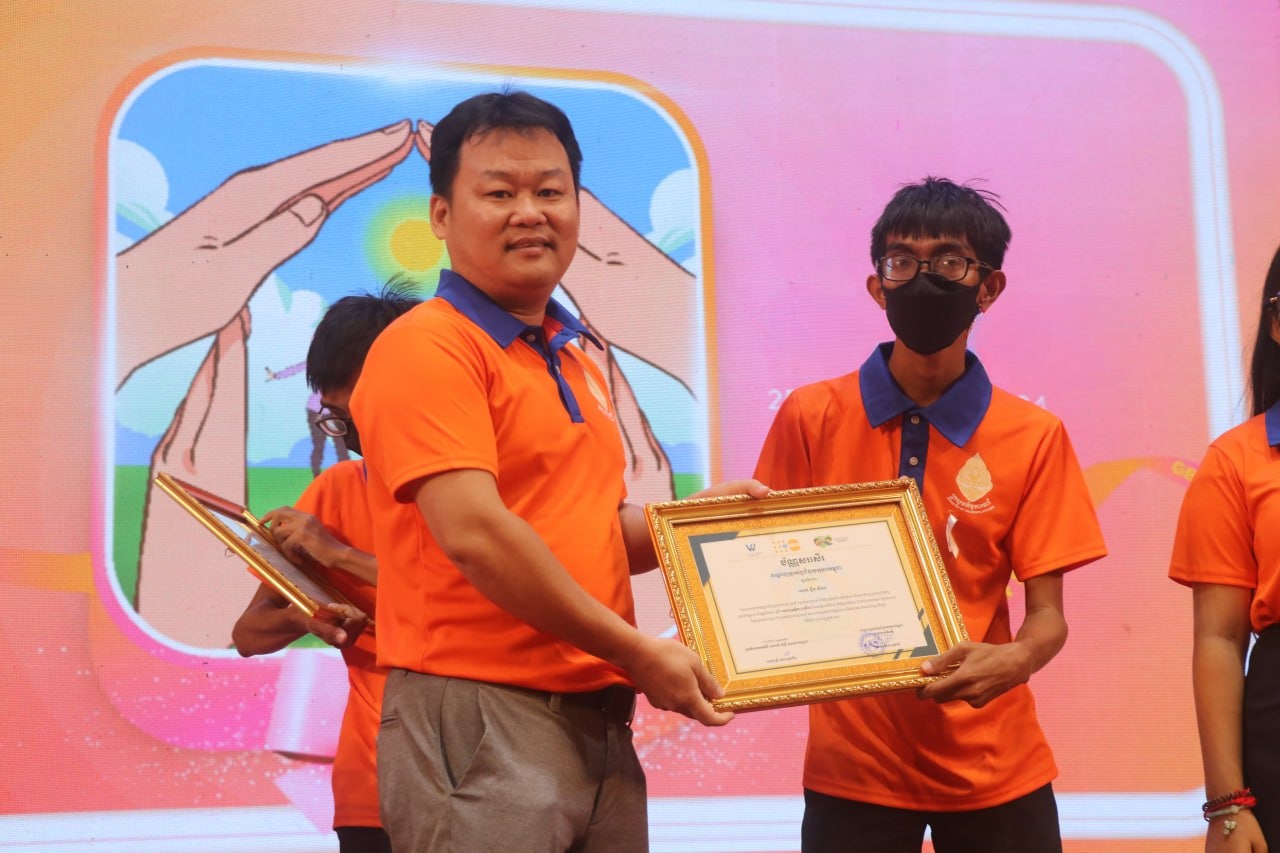
The change is becoming visible: 288 women and girls have received home-based counseling and support, and 61 accessed primary health care and humanitarian assistance. 157 clients received legal counseling and 234 cases of gender-based violence were reported and addressed through the helpline and community partners. Local leaders in Ou Chum, Lumphat and Banlung have committed budget lines for GBV prevention and child protection, and survivors report greater confidence, stronger awareness of their rights and increased trust in local services.
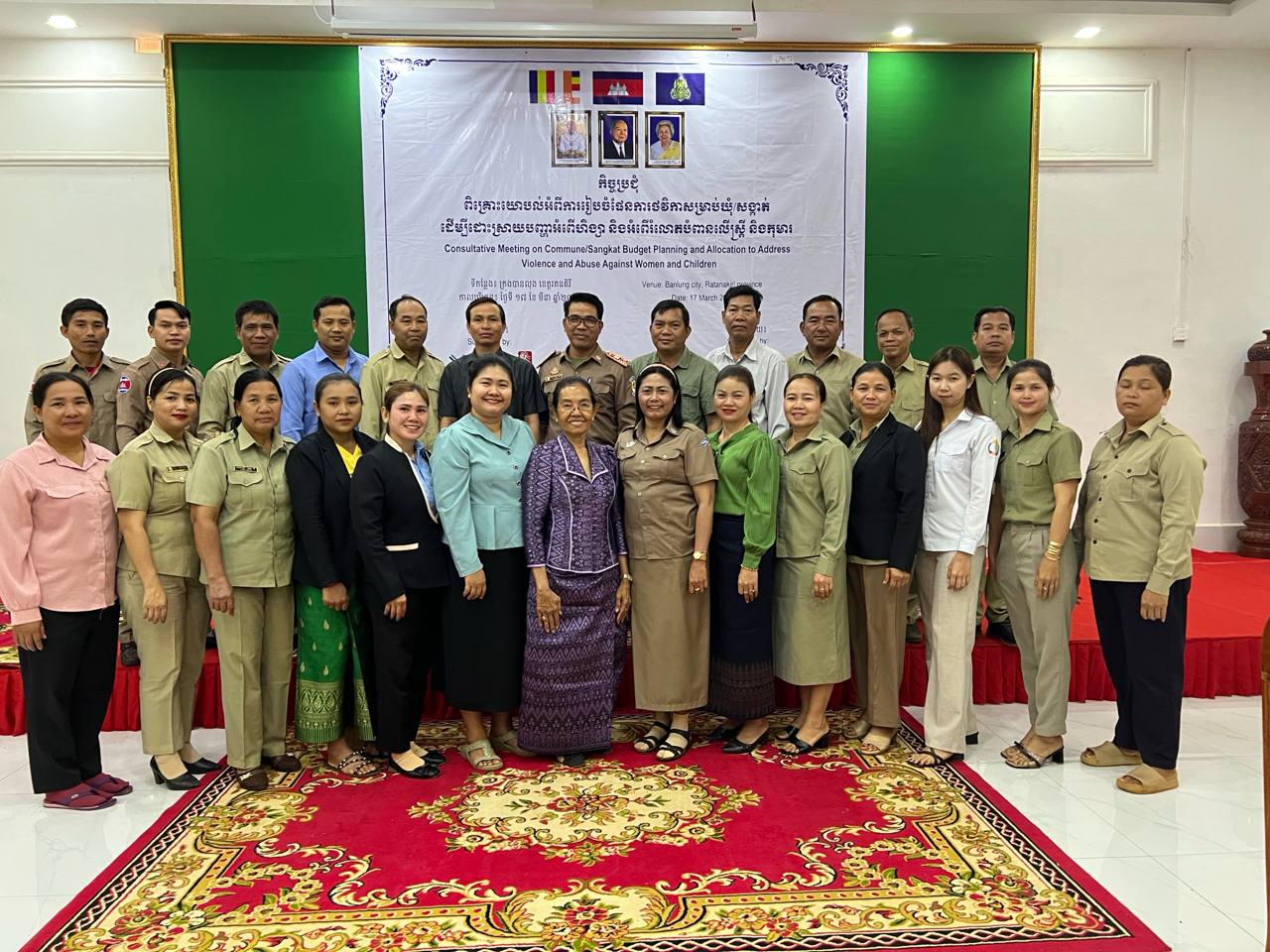
“It is like today I learned how to breathe properly. Although breathing is something we do all the time, we never really understand its value. This training was a reminder for us to be aware.” — Chhay Vichet, indigenous training participant, Ratanakiri province.
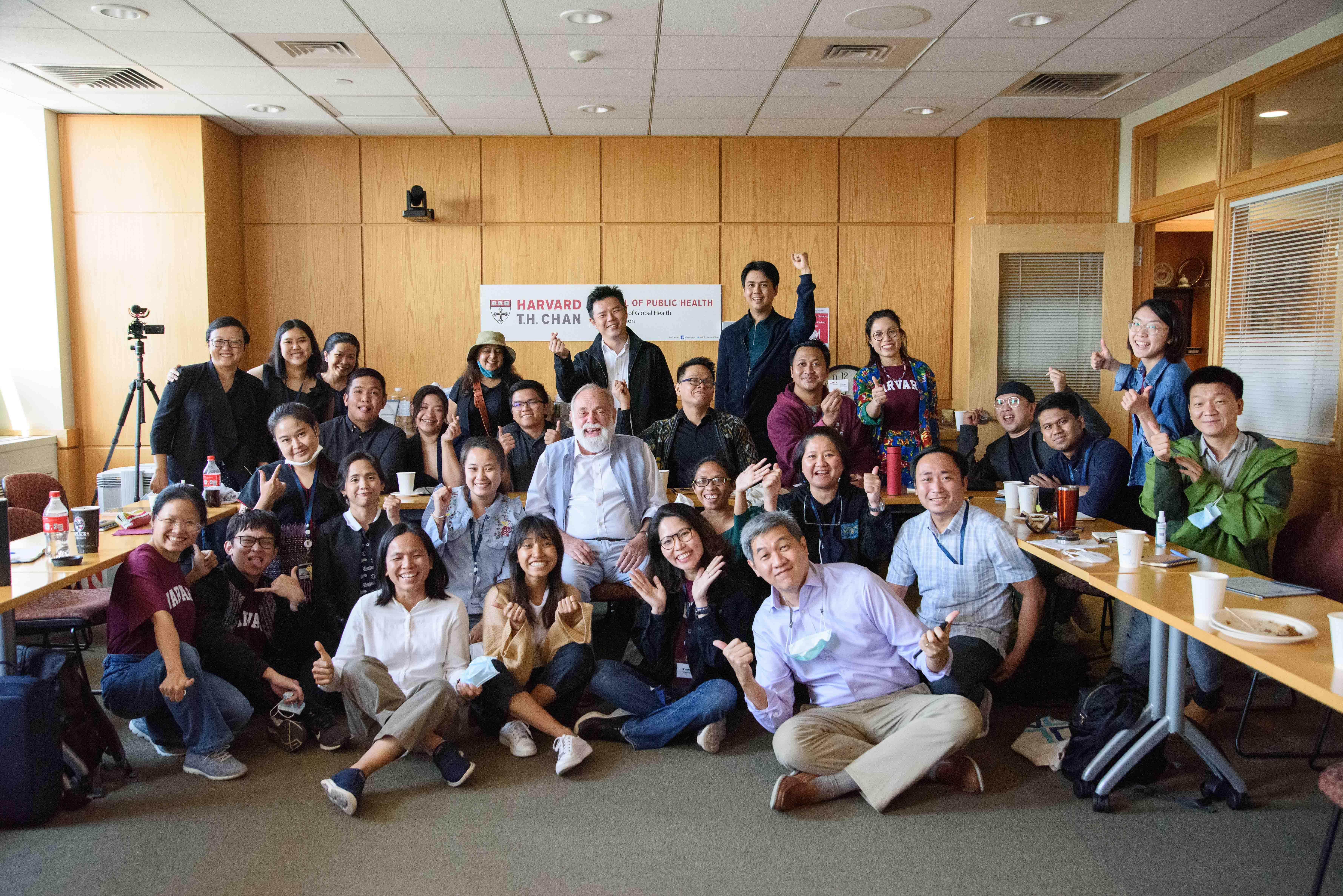
This story is part of the Equity Initiative’s 10-year anniversary, celebrating a decade of leadership, collaboration, and impact across Southeast Asia and China.
Related News